London Video Wall Design, Installation And Support
Transportation Video Wall Solution
TransportationHubVideoWallSolutions
Transportation hubs are changing to keep up with the digital age. They are trying to meet the rising expectations of today’s passengers as the travel industry continues to flourish.
There have been major technological enhancements aimed at raising the value of facilities. Modern video walls are essential in designing dynamic spaces it all transportation environments that:
Educate
Amuse
Connect People
Entertain people who are waiting
HowToUseVideoWallsInTransportationHubs
Information
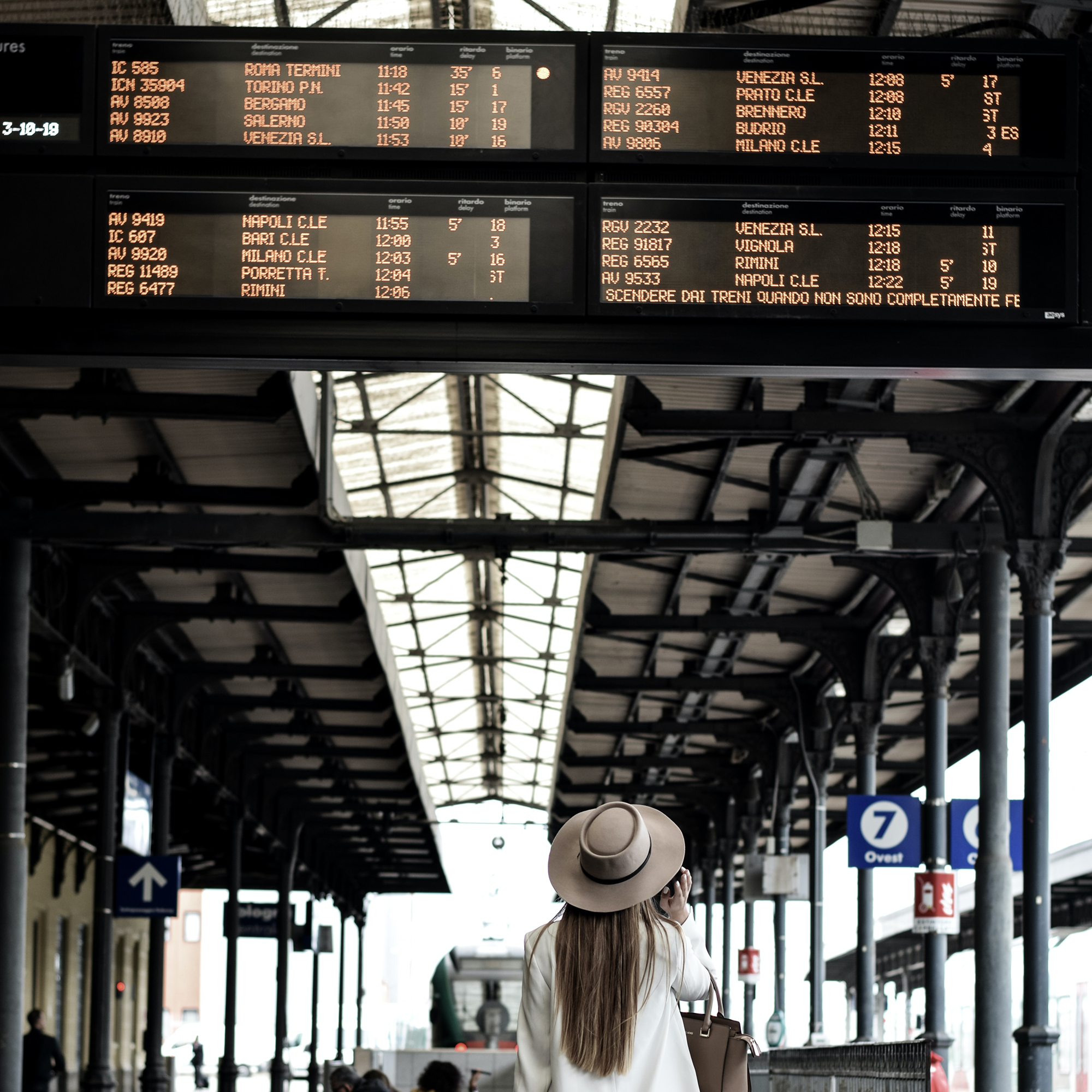
Video walls can show routes to create a positive travel experience. They do so by informing them of the most recent travel information.
Enhanced features can also be included to display local weather or news updates or to observe live tweets from people in the neighbourhood.
StaffConvenience
Video walls can improve travel from the perspective of the client and make it simpler for transportation staff.
One of the many advantages is that it can assist you in providing important information. Such as reducing perceived waiting times and informing clients of any delays.
ImprovedCustomerService
People tend to prefer to travel as swiftly and effectively as possible when using public transportation. You can improve their travel experience with a video wall that informins them of updated travel times and delays. You can also show the quickest routes and keep them up to speed with news or social media feeds.
This will guarantee that customers are always informed and given accurate information.
Wayfinding
One of the most crucial elements of any transportation hub is wayfinding. It can make or break the user experience. Any traveller would prefer not to arrive somewhere and not know where to go. A video wall can make finding a security line, terminal, gate, or concessions simple. Video walls can display maps. They can be zoomed in and out and moved if you implement an interactive video wall.
InnovationAndEffectiveness
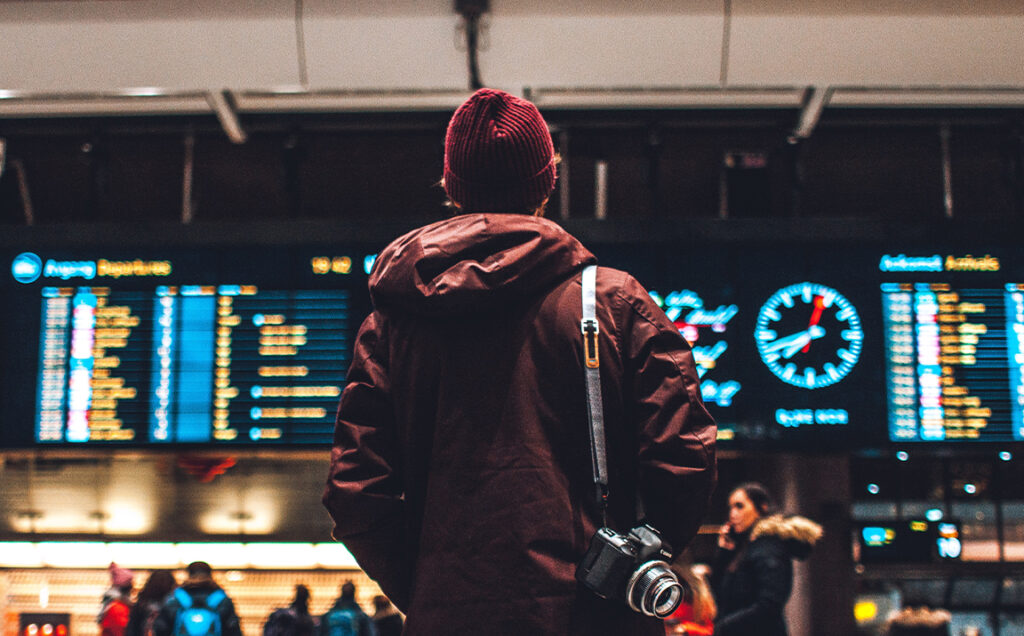
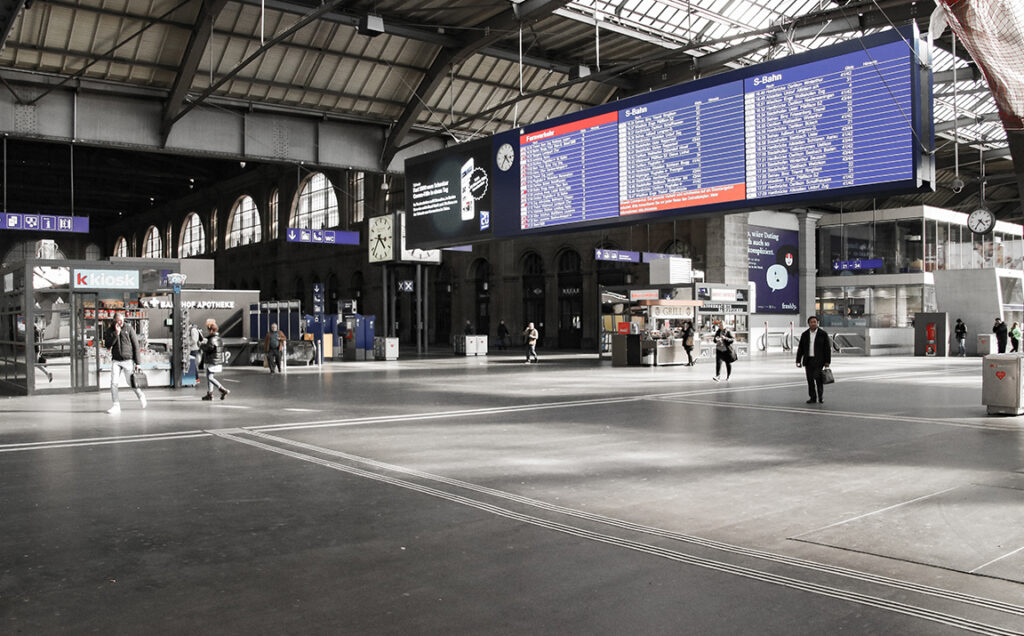
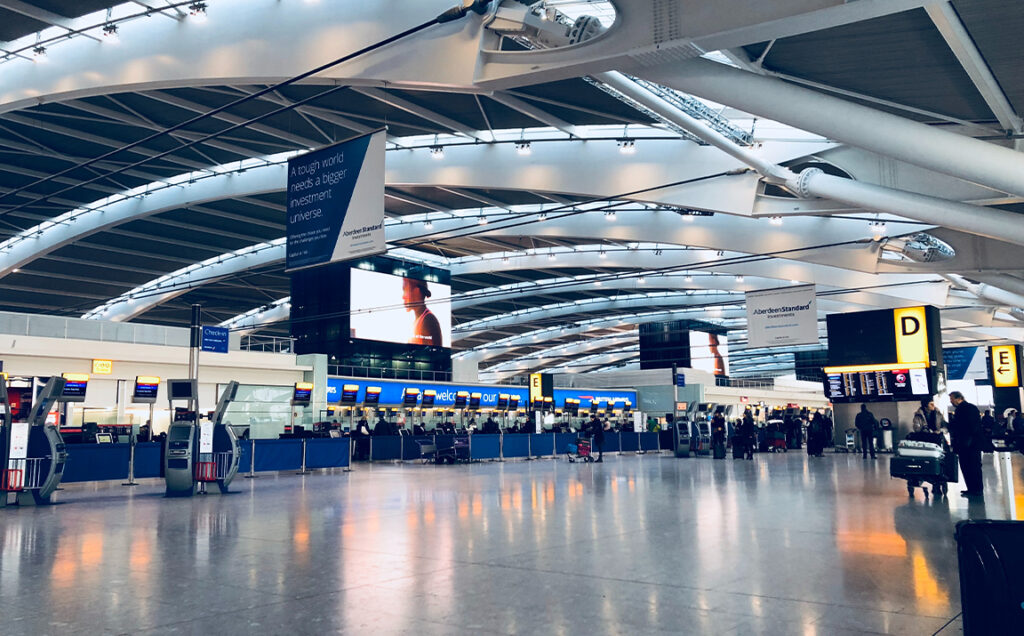
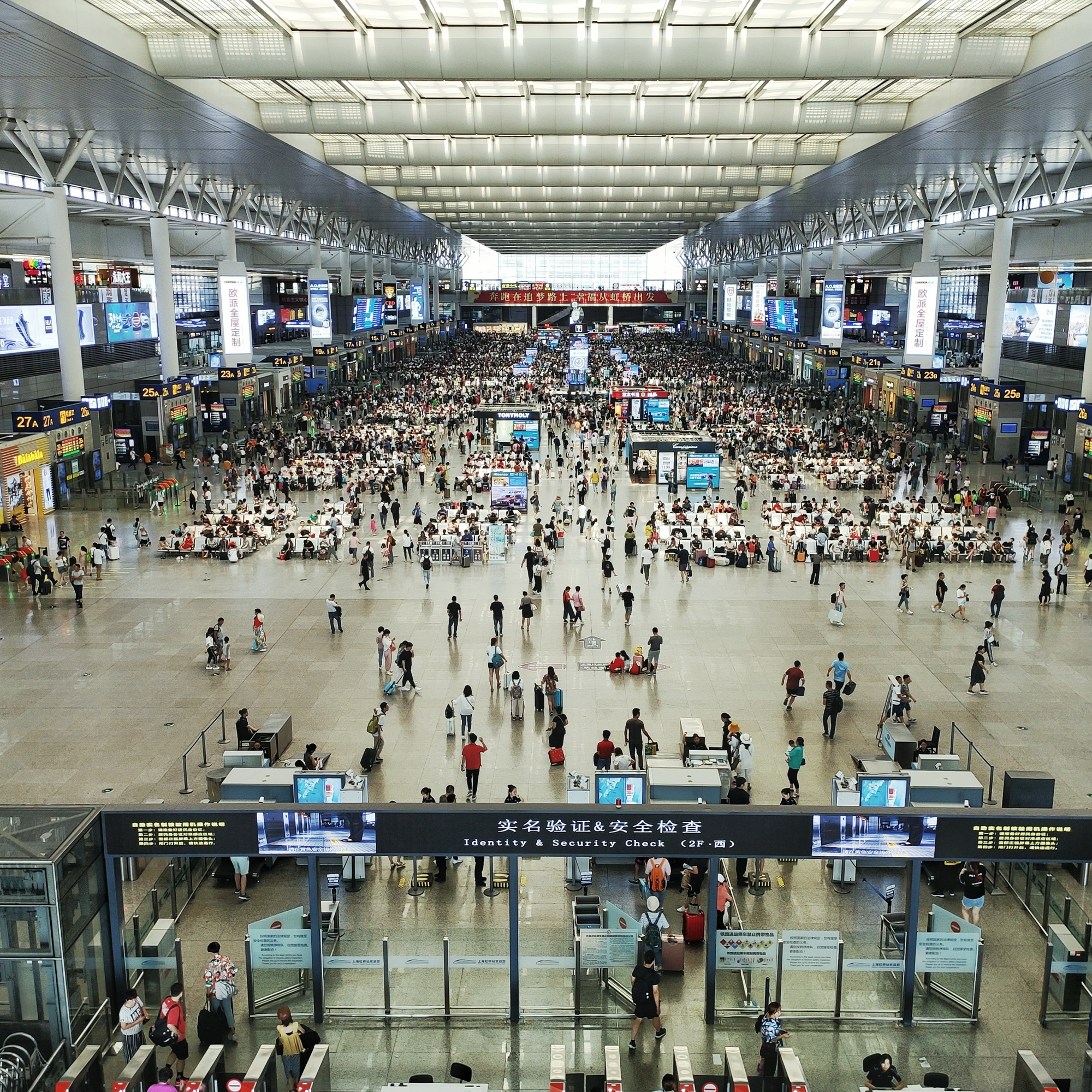
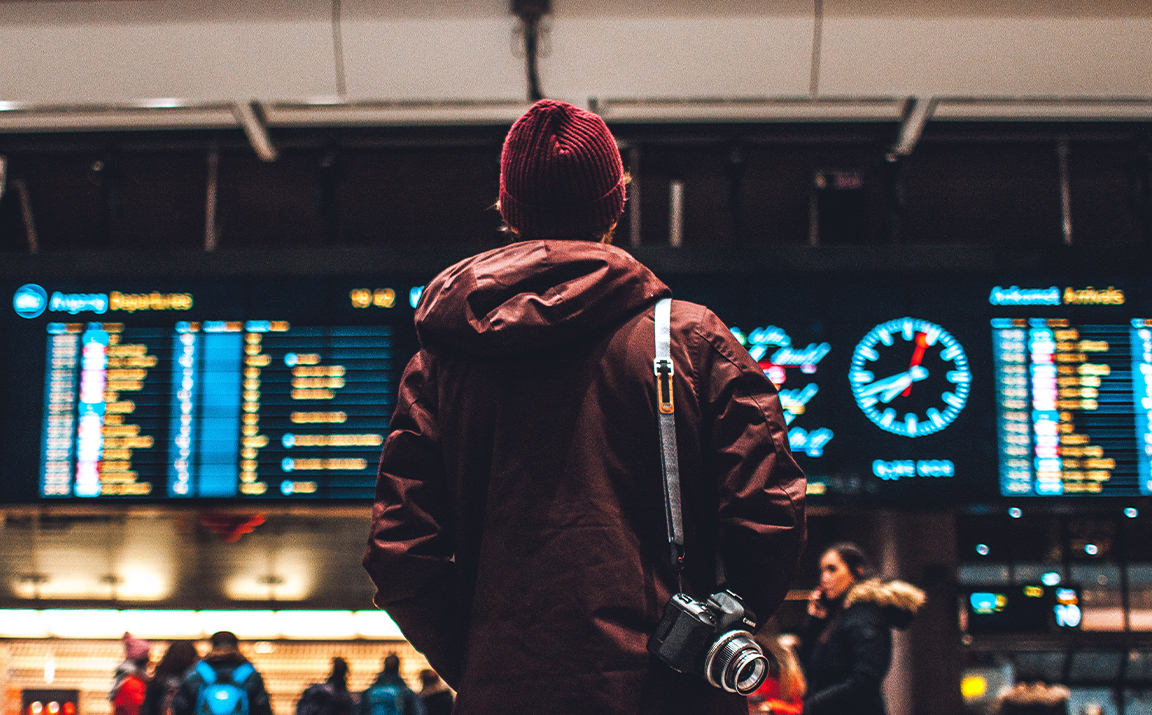
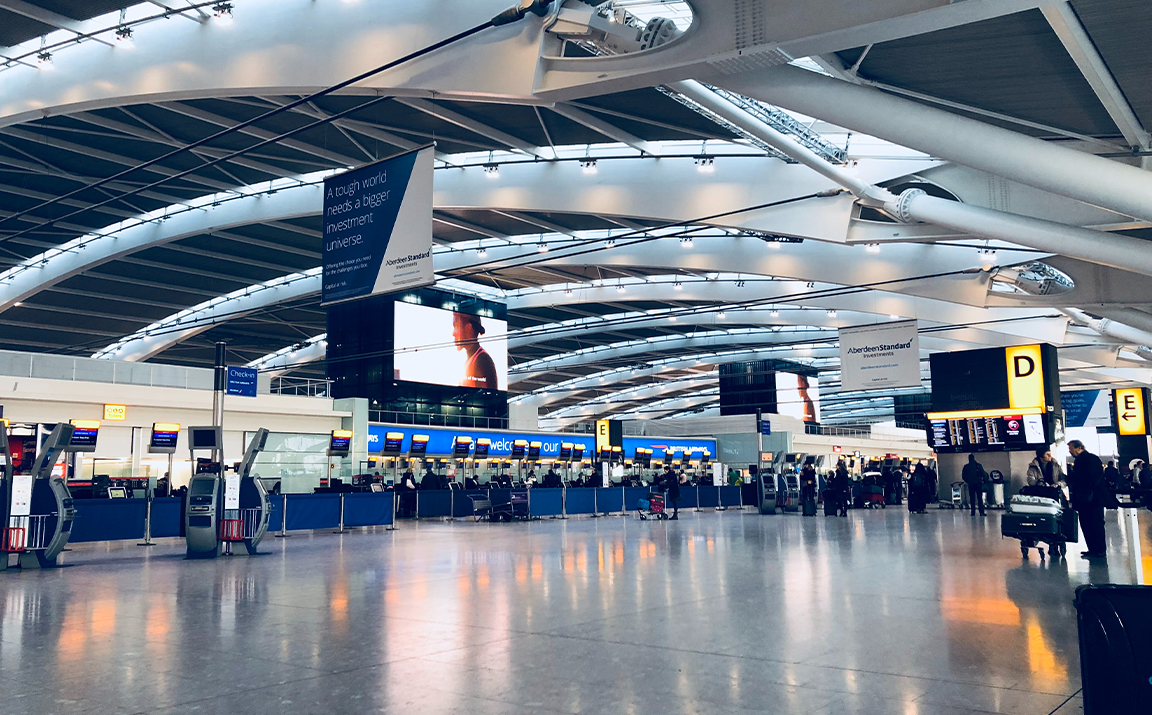
Transportation hubs like Airports use video walls in various ways. This includes integrating digital arrival and departure boards. They also use them in terminal eateries as a new form of advertising. Airports are one of the top consumers of digital solutions compared to the rest of the transportation sector. Airports have transformed their means of transportation in a genuinely amazing way. They did so by embracing technology. Passengers’ travel experiences have been substantially enhanced due to the facility’s modernisation. Self-check-in video walls that display information clearly on screens can speed up and simplify queues.
This serves two purposes. It appeals to travellers’ sense of aesthetics and provides information more practically. A safe and secure environment is made possible by video walls. It can also help the continuous flow of traffic through the airport terminals.
KeepCustomersOccupied
A video wall could be positioned at an airport or train station’s main entrance. This will grab visitors’ attention immediately and give them a helpful and knowledgeable journey.
The transportation sector offers a very large and clear place for public messaging. In addition to pleasing customers, it strengthens the company’s brand and enhances the whole experience. Straightforward instructions and directions can be aired at an airport train or bus station. This helps passengers to walk in the appropriate direction for the following:
Bag drop
Checking in
Finding the correct platform
Passing through to passport control
The departure lounges
WaitingRooms
Waiting areas, such as departure lounges and arrival zones, are found in crowded transportation hubs. On occasion, people may spend hours waiting in these places. Video walls can be utilised for communication or even entertainment in waiting rooms. When employed in this manner, it gives customers the impression that waits times are lower. Airports and key transportation hubs worldwide have extra security measures.
There are long wait times at security checkpoint sites, according to travellers. By displaying messages, digital screens can help with this enhanced regulation.
EffectivenessAndInnovation
Waiting areas, such as departure lounges and arrival zones, are found in crowded transportation hubs. On occasion, people may spend hours waiting in these places. Video walls can be utilised for communication or even entertainment in waiting rooms.
When employed in this manner, it gives customers the impression that waits times are lower. Airports and key transportation hubs worldwide have extra security measures. There are long wait times at security checkpoint sites, according to travellers. By displaying messages, digital screens can help with this enhanced regulation.
Advertising
People only have a little time to explore when passing a train or bus terminal. So the advertiser only has a little time to influence their purchasing decisions. In contrast, a busy airport frequently features large shopping areas. Clients also have several hours (or longer if they are in the middle of a transit) of their free time. This setting is ideal for grabbing their attention and persuading them to buy.
You can mount video walls on storefront windows in either of these two transportation hubs. These screens will attract people to the store and check out the merchandise. You can strategically install in-store screens. This improves visuals, stimulating customers to make purchases.
OtherTransportationHubs
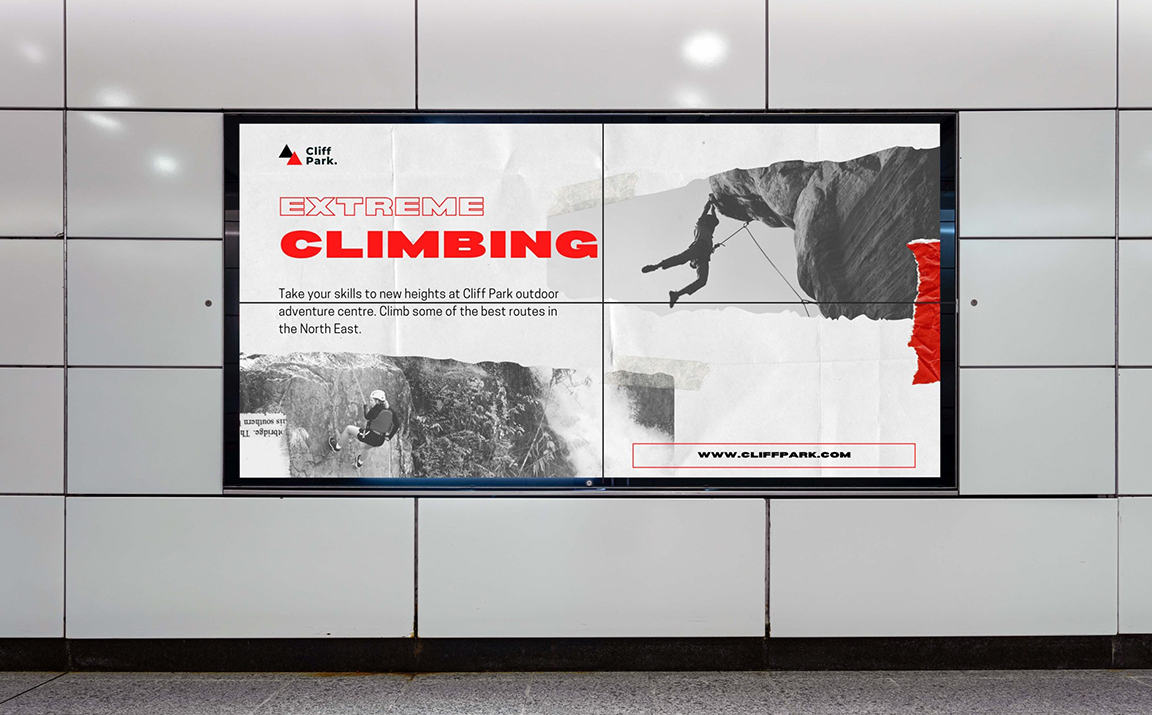
People have to wait, which is why advertising, especially video walls, is successful in transportation—this kind of marketing benefits from spare time and boredom. You can also use interactive screens on other types of transportation—for example, bus shelters or underground tube services.
A lot of wall space inside a tube station can be used to show advertisements, information, and other things. Inside ctaxis is another application for video walls in transportation. The backs of the seats can now have advertising screens, thanks to new technology.