

Table of Contents
LED wall technology is a cutting-edge display technology that has revolutionised the world of advertising, event technology, and audiovisual equipment. LED walls comprise small light-emitting diodes (LEDs) that emit light when an electrical current is passed through them. These LEDs are arranged in a grid pattern to create a seamless display surface.
The history of LED wall technology dates back to the 1960s when LEDs were first invented. However, it was in the 1990s that LED walls began to be used for large-scale displays. Today, LED walls are used in various applications, from advertising and retail to entertainment and sports.
The importance of LED wall technology lies in its ability to provide a high-quality and dynamic visual experience to the end user. LED walls are widely used for digital signage, video, and indoor and outdoor advertising. The technology offers a range of benefits over traditional display technology, including higher brightness, better contrast, and wider viewing angles. Additionally, LED walls offer greater flexibility in size and resolution, making them ideal for various applications.
It has many applications, from indoor advertising to outdoor events. LED walls are commonly used for digital signage, video, and event technology. The technology offers a range of benefits, including high brightness, better contrast, and wider viewing angles. However, when considering LED wall technology, it is important to choose the right supplier or manufacturer and choose an LED wall suitable for the specific application.
Advantages of LED walls
For good reasons, LED wall technology has been taking the audiovisual equipment industry by storm. In this section, we will explore the top advantages of LED walls and why they are becoming popular for indoor and outdoor advertising, events, digital signage, and more.
High-resolution Displays
One of the main advantages of LED walls is their high-resolution displays. LED technology allows for a crisp, clear, and vibrant display, even at long distances. This makes LED walls perfect for events, stadiums, and outdoor advertising, requiring a larger viewing distance.
Brightness and Contrast Ratio
LED walls also offer exceptional brightness and contrast ratio. They can display bright and vivid colours outdoors, making them an ideal choice for advertising and digital signage. The contrast ratio of LED walls is also much higher than traditional displays, making the content displayed on them pop out and stand out even more.
Flexibility and Customisation
LED walls are highly customisable and flexible. They can be configured to any size or shape, making them suitable for any event or space. The flexibility of LED walls also allows them to be used creatively, such as curved or angled installations, adding an extra level of visual appeal to the content displayed.
Energy Efficiency
LED walls are highly energy-efficient compared to traditional displays. LED technology consumes less power, making them eco-friendly for those who want to reduce their carbon footprint. Energy efficiency also translates into cost savings in the long run, making LED walls a more cost-effective choice.
Durability and Longevity
LED walls are highly durable and have a longer lifespan than traditional displays. They can withstand harsh weather conditions, making them an ideal choice for outdoor advertising and events. Additionally, LED walls require minimal maintenance, making them a low-maintenance and long-term investment.
Features of LED walls
LED walls have become essential to audiovisual equipment, particularly in event technology, indoor and outdoor advertising, and digital signage. LED wall technology provides various benefits and features, making it the perfect choice for indoor and outdoor LED wall displays.
Pixel Pitch
Pixel pitch is the distance between two adjacent pixels on an LED screen. It is a crucial factor in determining the resolution of an LED display. The smaller the pixel pitch, the higher the resolution, resulting in sharper images and better visual performance. LED walls come in various pixel pitches to meet display requirements, from close viewing distances to large-scale outdoor advertising displays.
Panel Size and Shape
LED walls come in various panel sizes and shapes to suit different display applications. The size of the LED wall panels determines the display’s overall size, and the shape determines the display’s aspect ratio. Whether it is a narrow indoor LED wall or a large-scale outdoor LED wall, the size and shape of the panels play a crucial role in determining the overall visual impact of the display.
Colour Gamut and Uniformity
LED walls offer various colour gamuts, making them suitable for various applications. Colour uniformity is also essential in ensuring that the display shows consistent colours across the entire display area. LED technology has improved over the years, and modern LED walls offer better colour accuracy and uniformity than ever before.
Refresh Rate
The refresh rate of an LED display refers to the number of times per second the image on display is refreshed—a higher refresh rate results in smoother motion and a better visual experience. LED walls offer high refresh rates, making them ideal for displaying high-speed content such as sports events and action-packed video games.
Viewing Angle
LED walls offer a wide viewing angle, making them ideal for displaying content to a large audience. The viewing angle refers to the maximum angle at which the display can be viewed without losing image quality. LED walls provide a wide viewing angle of up to 160 degrees, ensuring that the content is visible to everyone in the audience, no matter where they are seated.
Applications of LED walls
LED wall technology has become popular due to its versatility, durability, and high-quality display capabilities. LED walls are large screens of several LED panels, allowing for seamless images, videos, and text displays. These displays can be used in various applications, including:
Indoor Advertising
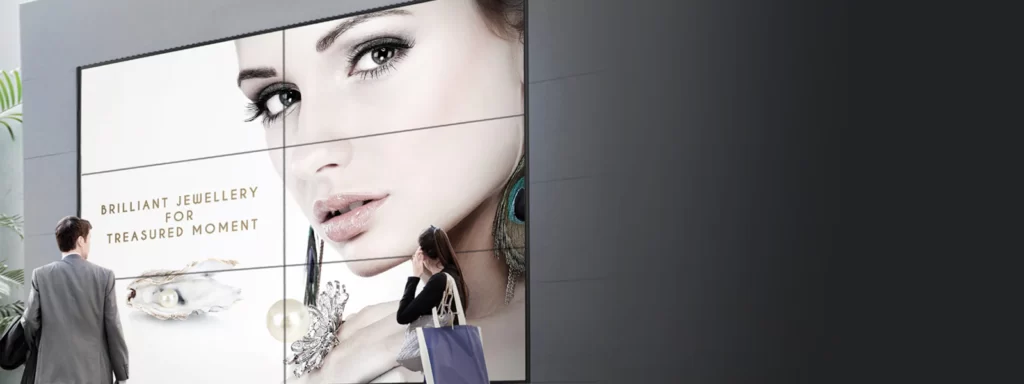
LED walls have become popular for indoor advertising due to their high-resolution display capabilities and ability to grab passersby’s attention. LED walls can display advertisements, promotions, and other marketing materials in malls, airports, and retail stores, providing a unique and eye-catching way to market products and services.
Outdoor Advertising
Outdoor advertising is another popular application of LED wall technology. LED walls are durable and weather resistant, making them ideal for use in outdoor environments. These displays can be used for billboards, building wraps, and other large-scale advertising applications. LED walls provide a bright and clear display, making them visible even in bright sunlight.
Digital Signage
Digital signage is another application of LED wall technology. LED walls can display digital content such as advertisements, wayfinding information, and other important messages indoors and outdoors. LED walls can be customised to fit specific needs, including size, shape, and resolution, making them an excellent choice for digital signage.
Event Technology
LED walls have become a popular choice for event technology due to their high-quality display capabilities and flexibility. LED walls can be used for concerts, festivals, and sporting events, providing attendees with a large, high-resolution display. LED walls can be rented or purchased for events of all sizes, providing a customisable and cost-effective solution for event organisers.
Audiovisual Equipment
LED walls can also be part of a larger audiovisual equipment setup, providing a high-quality visual display for presentations, conferences, and other events. LED walls can be used with other audiovisual equipment, such as projectors and sound systems, providing a complete solution for event organisers.
LED wall technology is an excellent choice whether you advertise a product, display digital content, or enhance the visual experience at an event.
Design considerations
LED wall technology has revolutionised the way we perceive digital displays, and its versatile applications have made it a popular choice for outdoor advertising, indoor advertising, and event technology. LED walls are the perfect solution for businesses and organisations that need a powerful and flexible medium for communicating their message to a large audience.
Location and Environment
The location and environment are critical considerations when designing an LED wall. Outdoor LED walls must be weatherproof, with high brightness and contrast to overcome ambient light. Indoor LED walls, on the other hand, need a lower brightness and contrast ratio to avoid eye strain for the audience. LED walls for corporate events or retail stores should have a higher pixel density to ensure the content is clear and vivid.
Content Creation
Content creation is an essential aspect of LED wall technology. The content should be engaging, informative, and visually appealing to the audience. LED walls offer various creative possibilities, from static images to videos and interactive content. The content should capture the viewer’s attention, quickly communicate the message, and emotionally connect with the audience.
Integration with Existing Systems
Integration with existing systems is crucial when designing an LED wall. The LED wall should be compatible with the audiovisual equipment, lighting systems, and control systems used in the venue. This will ensure the content is synchronised with the other presentation elements, creating a seamless and immersive experience for the audience. LED walls for stadiums, for example, need to be integrated with the stadium’s sound system and lighting controls to provide a coordinated and engaging experience for sports fans.
Maintenance and Service
Maintenance and service are critical aspects of LED wall technology. LED walls are complex systems that require periodic maintenance and service to ensure optimal performance and longevity. LED wall maintenance should include regular cleaning, calibration, and software updates to keep the system running smoothly. LED wall rental and installation services should provide comprehensive support, including on-site technicians, troubleshooting, and repair services.
Installation and set-up
- Pre-installation Preparations: Before diving into the installation process, it is crucial to ensure that all pre-installation preparations are carried out meticulously. These preparations include assessing the LED wall technology requirements for the specific application, such as the size of the LED wall, resolution, and features needed. It also involves selecting a reputable LED wall technology supplier or manufacturer who can provide reliable products and services. Proper planning and preparation are essential to ensure a smooth installation process and a successful outcome.
- Mounting and Wiring: Once the pre-installation preparations are completed, the next step is mounting and wiring the LED wall. This involves carefully positioning the LED panels according to the design and layout requirements, securing them in place, and connecting the wiring to ensure proper functionality. Following the manufacturer’s instructions and industry best practices is crucial to ensure the LED wall is mounted securely and wired correctly, minimising the risk of damage or malfunction.
- Configuration and Calibration: The next step is configuration and calibration after the LED wall is mounted and wired. This involves setting up the LED wall’s software and hardware settings to optimise performance. It includes adjusting brightness, contrast, colour balance, and other settings to ensure the LED wall displays high-quality visuals with accurate colours and brightness levels. Calibration is crucial for achieving the best possible image quality and ensuring that the LED wall technology delivers the desired results for the specific application, whether for indoor advertising, outdoor advertising, event technology, or any other purpose.
- Testing and Validation: Once the configuration and calibration are complete, thorough testing and validation are essential to ensure the LED wall technology functions properly. This involves running various tests, such as displaying different types of content, checking for any visual artefacts, testing the audiovisual equipment’s functionality, and validating that the LED wall meets the desired performance standards. Testing and validation are crucial to identify and rectify any issues before the LED wall technology goes live, ensuring a seamless and flawless user experience for the end viewers.
Cost analysis
LED wall technology has become increasingly popular in recent years due to its versatility, flexibility, and cost-effectiveness. LED walls can be used for various applications, including LED displays, video walls, digital signage, and outdoor and indoor advertising. However, the cost of LED walls can vary significantly depending on several factors.
Factors Affecting LED Wall Cost
The cost of LED walls can vary based on several factors.
- The size of an LED wall can significantly impact the cost, with larger LED walls costing more than smaller ones.
- The resolution of an LED wall can also impact the cost, with higher resolutions costing more than lower ones.
- The supplier and manufacturer of the LED wall can also impact the cost, with some suppliers offering more competitive pricing than others.
- Additionally, the design of the LED wall can impact the cost, with more complex designs costing more than simpler ones.
- The application of the LED wall can also impact the cost, with LED walls used for events typically costing more than those used for advertising or retail stores.
- Finally, installing the LED wall can impact the cost, with more complex installations costing more than simpler ones.
Budgeting and Planning for LED Wall Projects
Budgeting and planning are essential when it comes to LED wall projects. It is important to determine the LED wall’s size, resolution, design, application, and installation requirements before beginning the project. This can help ensure that the project stays within budget and that the LED wall meets the intended purpose.
Working with an experienced LED wall supplier can also help with budgeting and planning. A good supplier can guide the most cost-effective options and help ensure the LED wall project stays within budget.
Cost-Benefit Analysis for LED Wall Technology
Performing a cost-benefit analysis is essential when considering LED wall technology. A cost-benefit analysis compares the costs of implementing an LED wall project to its benefits. Benefits include increased visibility, improved customer engagement, and enhanced branding.
When performing a cost-benefit analysis, it is important to consider both the short-term and long-term benefits of the LED wall project. Short-term benefits may include increased sales or foot traffic, while long-term benefits may include improved brand recognition and customer loyalty.
Future developments in LED technology
LED walls are becoming more versatile, offering high-quality visuals, interactive functionalities, and customisable design options. As LED technology continues to evolve, it is expected to find increasing applications in various industries, including digital signage, outdoor advertising, indoor advertising, event technology, and audiovisual equipment.
Advancements in Pixel Density for LED Walls
Pixel density, which refers to the number of pixels per unit of measurement, is a crucial factor in determining the image quality of LED walls. In recent years, LED technology has significantly improved pixel density, resulting in higher-resolution displays with stunning visual clarity. LED walls now offer ultra-high-definition (UHD) and even 8K resolution options, providing incredibly detailed and lifelike images that captivate viewers. Higher pixel density also allows for the seamless integration of LED walls in various settings, such as retail stores, corporate events, and stadiums, where image quality is paramount.
Improved Colour Accuracy and HDR Capabilities of LED Walls
Colour accuracy and high dynamic range (HDR) capabilities are essential for delivering vivid and realistic visuals on LED walls. LED technology has evolved to provide improved colour accuracy, allowing for more precise and vibrant colour reproduction. Additionally, LED walls now support HDR, which enhances the contrast between bright and dark areas of an image, resulting in a more dynamic and visually striking display. LED walls with HDR capabilities are ideal for applications such as digital signage and outdoor advertising, where captivating visuals with rich colours and contrast are crucial for grabbing viewers’ attention.
Integration of LED Walls with Other Technologies
LED wall technology increasingly integrates with other technologies to enhance functionality and versatility. For example, LED walls can now seamlessly integrate with interactive touch screens, allowing for engaging user interactions and immersive experiences. LED walls can also be integrated with cameras, sensors, and other IoT devices for advanced functionalities such as facial recognition, audience analytics, and interactive content triggering. Integrating LED walls with other technologies opens up new possibilities for creative and interactive displays in various industries, including retail, entertainment, and events.
Emerging Trends and Innovations in LED Wall Technology
The LED wall technology landscape constantly evolves, with new trends and innovations shaping the industry.
- One notable trend is the increasing demand for affordable LED wall rentals for events, trade shows, and conferences. LED wall rental services are becoming more accessible, offering cost-effective solutions for businesses and event organisers to create impressive visual displays without large upfront investments.
- Another emerging trend is the focus on LED wall design, with manufacturers offering customisable options in size, resolution, and form factor to cater to different installation requirements and design aesthetics. Moreover, LED wall technology is also used for unique applications such as artistic installations, interactive sculptures, and architectural lighting, pushing the boundaries of LED technology’s creative potential.
Conclusion
LED wall technology is revolutionising how we view and interact with digital signage, indoor and outdoor advertising, and event technology. LED walls comprise small panels that create a large display with exceptional resolution and brightness. LED walls offer a range of benefits, including low maintenance, high lifespan, and energy efficiency. They also come in various sizes, designs, and applications, making them perfect for various industries, from retail stores to stadiums.
As LED technology advances, LED walls will continue to become more affordable and accessible, making them an excellent investment for any business looking to elevate its visual impact. Consider LED walls for your next project and experience the benefits of this latest technology.
FAQs
Q. How do I find a reliable LED video wall rental company?
To find a reliable LED video wall rental company, you can start by researching online and reading reviews from previous clients. Look for companies with a track record of providing quality equipment and services and are experienced in the type of event or application you have in mind. Ask for references and check with them to confirm the company’s reliability. Ensure the company has the necessary insurance and certifications to operate safely and legally. Finally, compare prices and services from different companies to ensure you get the best value.
Q. What is LED wall technology, and how does it work?
LED wall technology is a display technology that uses an array of light-emitting diodes (LEDs) to create a high-resolution, large-format video display. Each LED acts as a pixel and can produce a range of colours and brightness levels. The LEDs are arranged in a matrix on a panel or module and can be combined to create displays of various sizes and shapes. The panels are connected to a control system that processes video input and controls the brightness and colour of each LED to produce the desired image.
Q. What are the benefits of LED wall technology?
LED wall technology offers several benefits, including high brightness and contrast, wide viewing angles, low power consumption, long lifespan, and flexibility in size and shape. It also allows for seamless image and video display, making it ideal for large-scale presentations and events.
Q. What are the advantages of using LED video walls?
LED video walls provide a larger, more immersive, and more engaging visual experience than traditional displays. They can be customised to fit any size or shape, and their modular design allows for easy setup and configuration. They are also highly durable and reliable, making them suitable for various environments.
Q. How much does an LED wall cost?
The cost of an LED wall depends on several factors, including the installation’s size, resolution, and complexity. Prices can range from a few thousand dollars to hundreds of thousands of dollars for large, high-resolution displays. It is important to get a quote from a reputable supplier to determine the exact cost based on your specific needs.
Q. What is the lifespan of an LED wall?
An LED wall’s lifespan depends on the components’ quality and operating conditions. Typically, LED walls can last up to 100,000 hours or more, but the lifespan may vary depending on temperature, humidity, and usage patterns.
Q. What are some common LED wall sizes?
LED walls come in various sizes, ranging from small displays for indoor use to large-scale outdoor installations. Common sizes include 2×2 feet, 3×3 feet, and 4×4 feet panels, but they can be customised to fit any size or shape.
Q. What is the resolution of an LED wall?
The resolution of an LED wall depends on the number of pixels per panel and the display’s overall size. Higher-resolution displays have more pixels per unit area, resulting in a sharper and more detailed image.
Q. How is an LED wall installed?
LED walls are typically installed by attaching panels or modules to a mounting structure, such as a wall or frame. The panels are connected to a control system that processes video input and controls the brightness and colour of each LED to produce the desired image.
Q. What are some maintenance tips for LED walls?
Maintaining an LED wall is important to keep the display clean and free of dust and debris. Regular cleaning with a soft cloth and mild cleaning solution can help prevent LED damage. Monitoring the temperature and humidity levels to ensure the display operates within the recommended range is also important.
Q. What are some features of LED wall technology?
LED wall technology offers several features, including high brightness and contrast, wide viewing angles, low power consumption, long lifespan, and the ability to display high-resolution content. It also allows for seamless image and video display, making it ideal for large-scale presentations and events. LED walls are modular, so they can be configured to fit any size or shape, making them highly flexible and customisable.
Q. What are some common applications of LED walls?
LED walls are commonly used for large-scale presentations, concerts, sporting events, trade shows, and other public events. They are also used for advertising and branding, particularly in high-traffic areas such as shopping malls, airports, and outdoor spaces.
Q. How do I choose the right LED wall for my event or business?
When choosing an LED wall, it is important to consider factors such as size, resolution, and viewing distance. Determine the size and shape of the display you need and choose a resolution suitable for the content you will display. Consider the viewing distance and select a pixel pitch to ensure the content is clear and legible from the desired distance. Choosing a reliable supplier that can provide quality equipment and support is also important.
Q. What is the difference between LED video walls and traditional displays?
LED video walls offer several advantages over traditional displays, including larger size, higher resolution, and greater flexibility in terms of shape and configuration. LED walls also offer better brightness and contrast, making them suitable for a wider range of lighting conditions. LED walls are also modular so they can be easily reconfigured or expanded.
Q. Can LED walls to be used for outdoor advertising?
Yes, LED walls can be used for outdoor advertising. Outdoor LED walls are typically designed to withstand harsh weather conditions and provide high brightness and contrast for daylight or bright sunlight visibility. They are commonly used for advertising, branding, and messaging in high-traffic areas such as highways, stadiums, and city centres.
Q. Can LED walls be used for indoor advertising?
Yes, LED walls can be used for indoor advertising. Indoor LED walls are typically designed for high-resolution displays and offer wide viewing angles for visibility from all angles. They are commonly used in shopping malls, airports, and other public spaces for advertising and branding purposes.