

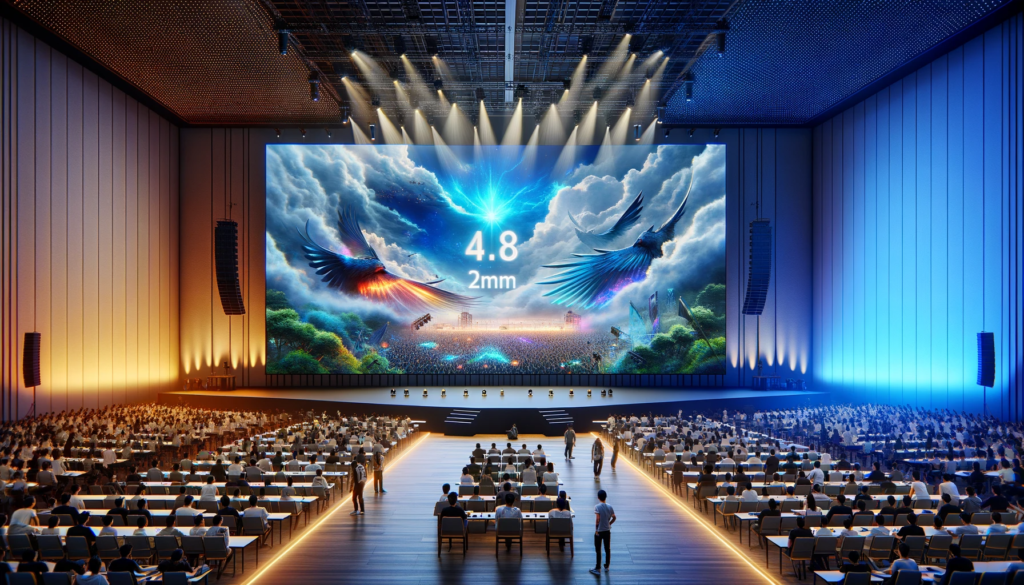
Welcome to the dynamic world of LED walls, where innovation and technology converge to revolutionize visual displays. In this brief exploration, we’ll uncover the significance of LED walls in diverse applications and the pivotal role of LED technology in modern display solutions. To illuminate content with an LED Wall 4.8, ensure proper installation and calibration of the wall’s panels for even lighting. Adjust brightness and color settings to enhance the visibility and vibrancy of the displayed content.
LED Walls Defined An LED wall, often referred to as a ‘Video wall,’ is an assembly of LED display panels that seamlessly come together to create a stunning, cohesive visual experience. The precision of the pixel pitch, in this case, 4.8mm LED wall, defines the sharpness and clarity of the image, making it an essential factor for display technology.
LED walls are instrumental in a wide array of applications. They serve as the backbone for digital signage, enabling businesses to convey their messages effectively. Whether you require indoor or outdoor LED solutions, LED walls cater to all environments. With high-resolution LED panels, the quality of visuals is exceptional, enhancing the overall viewer experience.
LED technology is at the core of modern display solutions. Its pixel density, often measured by pixel pitch, ensures that the image is crystal clear, captivating audiences. LED screen benefits are vast, including energy efficiency and durability. Moreover, LED technology plays a pivotal role in video wall design and installation, ensuring a seamless and captivating display.
What Is a 4.8mm LED Wall?
In the world of LED technology, the term ‘4.8mm LED wall’ is making waves. It’s not just a pixel pitch; it’s a game-changer. This section dives deep into the 4.8mm pixel pitch and why it’s considered the “sweet spot” for LED walls. We’ll also explore the myriad benefits of this specific pixel pitch for creating high-resolution displays that catch the eye.
4.8mm Pixel Pitch: A Game-Changing Metric
Pixel pitch, often referred to simply as pitch, is a crucial metric in the realm of LED display technology. It measures the center-to-center distance between adjacent pixels. The 4.8mm pixel pitch signifies that the LED pixels are spaced 4.8mm apart, which is a vital aspect of any LED display panel. Smaller pixel pitches result in higher pixel density and sharper images.
It strikes an ideal balance between pixel density and viewing distance, making it the perfect choice for a wide range of applications, including indoor and outdoor LED displays, video walls, digital signage, and more.
Benefits of 4.8mm Pixel Pitch for High-Resolution Displays
1. Crisp and Clear Visuals: The 4.8mm pixel pitch excels at delivering high-resolution visuals. With a smaller pitch, the pixel density is significantly higher. This means that even from a closer viewing distance, the images remain crisp and clear, making it ideal for video walls and digital signage.
2. Versatile Application: Whether you’re looking to design an indoor LED screen for a shopping mall, an outdoor LED display for an event, or a video wall for a conference room, the 4.8mm pixel pitch can adapt to all these environments. Its adaptability is one of the key reasons it’s celebrated as the “sweet spot.”
3. Cost-Efficiency: When it comes to affordability, a 4.8mm LED wall is a smart choice. It provides a high-quality viewing experience without the hefty price tag of smaller pitch displays. For those seeking an affordable 4.8mm LED wall, this pitch is the way to go.
4. Energy-Efficient Displays: In today’s world, energy efficiency is paramount. The 4.8mm LED technology strikes the right balance between brightness and energy consumption. It’s an eco-friendly option for your video wall, making it an excellent choice for eco-conscious businesses.
Choosing the Right LED Display
In today’s digital age, LED walls are indispensable for a wide range of applications, from indoor advertising to outdoor events. The right choice of LED wall can significantly impact your visual communication, and it all starts with understanding your specific needs. In this guide, we’ll delve into factors to consider when choosing the best LED wall for your requirements.
Factors to Consider
- Indoor vs. Outdoor Use
- LED Technology for Digital Signage: Understanding the distinction between indoor and outdoor LED walls begins with the LED technology itself. Indoor LED walls are optimized for brightness and clarity, while outdoor ones are designed to withstand harsh weather conditions.
- Pixel Pitch Guide: Pixel pitch plays a crucial role in choosing the right LED wall. For indoor applications, a smaller pixel pitch (e.g., 4.8mm LED wall) is ideal for close viewing, offering high-resolution and vivid displays. For outdoor use, a larger pitch can deliver clarity from a distance.
- Event Requirements
- Best LED Wall for Events: When selecting an LED wall for events, consider factors like portability, easy installation, and adaptability. High-resolution LED walls ensure stunning visuals, captivating your audience.
- LED Display Panel Benefits: LED display panels are perfect for events due to their seamless design, allowing for customizable shapes and sizes. They are versatile and can fit any event setting.
- Budget Constraints
- Affordable 4.8mm LED Wall: If you’re working within a budget, the 4.8mm LED wall provides an optimal balance between cost and quality. It offers impressive image quality without breaking the bank.
- LED Screen for Advertising: LED screens are cost-effective for advertising campaigns, allowing dynamic content management without recurring costs.
Selecting the Right LED Display Panel
- Pixel Density for Video Walls: The pixel density impacts the clarity and overall appearance of the display. When choosing a video wall, consider the pixel density that aligns with your desired image quality.
- Top LED Wall Brands: Leading brands like [Brand Name] provide trusted and reliable LED wall solutions. Research the best brands and consider factors like warranty and customer support.
- LED Wall System Durability: For long-term investments, durability is key. Ensure the LED wall system is built to withstand various conditions, whether indoor or outdoor.
Making Informed Decisions
- Video Wall Technology Comparison: Compare different video wall technologies to determine which suits your needs best. Explore the differences between LED walls and LCD displays to make an informed choice.
- LED Wall Maintenance Tips: Proper maintenance is crucial to ensure the longevity of your LED wall. Regular cleaning and monitoring can prevent technical issues.
Quality LED Video Panels
When it comes to LED technology, quality is paramount, and this holds true for LED video panels as well. Whether you’re considering a high-resolution LED screen for indoor digital signage or an outdoor LED display for events, ensuring the quality of your LED panel is crucial. In this section, we’ll delve into the significance of quality in LED panels and the factors that contribute to their excellence.
Factors Contributing to Quality LED Panels
To understand the importance of quality in LED panels, we need to explore the key factors that define their performance and reliability. Let’s break it down:
- Pixel Pitch: Pixel pitch, often measured in millimetres (mm), plays a pivotal role in determining the resolution and clarity of your LED display. A smaller pixel pitch, such as a 4.8mm LED wall, indicates higher pixel density, resulting in sharper and more vibrant visuals.
- Display Technology: The type of display technology used in LED panels can significantly impact their quality. High-resolution LED panels offer superior colour accuracy and contrast, ensuring an immersive viewing experience.
- Indoor and Outdoor LED: The environment where you intend to use the LED panel matters. Quality LED panels are designed to withstand the rigours of both indoor and outdoor settings, offering durability and longevity.
- LED Wall Design: Effective LED video wall design is key to delivering impactful content. A well-planned design ensures that your message is conveyed seamlessly and impressively.
- Energy-Efficient Displays: Quality LED panels are not only visually stunning but also energy-efficient. They consume less power while maintaining brightness, which translates to cost savings in the long run.
- Pixel Density: Pixel density, determined by pixel pitch, directly affects the clarity and precision of your content. A higher pixel density ensures that viewers can enjoy a crystal-clear display.
The Benefits of Quality LED Panels
Investing in quality LED panels offers numerous advantages:
- Longevity: Quality panels have a longer lifespan, reducing the need for frequent replacements and maintenance.
- Cost-Efficiency: While the initial cost may be higher, quality panels are energy-efficient, ultimately saving on operational expenses.
- Effective Content Management: Whether it’s digital signage or event advertising, quality LED panels make content management a breeze, ensuring your message reaches your audience effectively.
- Versatility: Quality LED panels are versatile and suitable for a wide range of applications, from advertising to entertainment.
Affordable 4.8mm LED Wall
When it comes to choosing the right display solution for your needs, the cost-effectiveness of a 4.8mm LED wall is a key consideration. LED technology has revolutionized the world of digital signage, offering a range of options for both indoor and outdoor applications. In this guide, we’ll discuss the affordability of a 4.8mm LED wall compared to other choices and dispel the myth that investing in an affordable LED wall means sacrificing quality.
Affordable 4.8mm LED Wall vs. LCD Display
One of the primary considerations when choosing a display solution is cost. While LED walls have traditionally been associated with high prices, the emergence of 4.8mm pixel pitch technology has made them more affordable than ever before. In contrast, LCD displays may seem more budget-friendly at first, but a deeper analysis reveals the cost-effectiveness of LED walls over time.
Pixel Pitch Guide: The Key to Cost-Efficiency
Pixel pitch is the distance between the centre of one pixel to the centre of an adjacent pixel on an LED display panel. A 4.8mm pixel pitch provides excellent clarity, making it an ideal choice for high-resolution LED screens. This pixel density ensures that the image quality is superb, even when viewed up close. When compared to higher pixel pitch options, the 4.8mm LED wall still delivers impressive visual quality while being more cost-effective.
Quality LED Video Panels for Less
Investing in an affordable 4.8mm LED wall doesn’t mean sacrificing quality. In fact, these displays offer exceptional image quality and brightness, making them suitable for a wide range of applications. They are known for their durability and longevity, resulting in lower maintenance costs over time.
Video Wall Technology Comparison
For video wall installations, 4.8mm LED technology is a standout choice. It provides the ideal balance between quality and affordability. When compared to other technologies, such as LCD or outdated LED solutions, the 4.8mm pixel pitch leads the pack in cost-effectiveness while delivering a visually stunning experience.
Energy-Efficient LED Displays
Another factor that contributes to the cost-effectiveness of a 4.8mm LED wall is its energy efficiency. LED screens are known for consuming less power compared to other display technologies, reducing long-term operational costs and contributing to sustainability efforts.
LED Wall Installation and Maintenance
When it comes to setting up a state-of-the-art LED wall, understanding the installation process is crucial. LED walls, especially the 4.8mm LED wall variant, have gained popularity for their high-resolution displays and versatility in both indoor and outdoor settings.
1. Choosing the Right Location
Before diving into the installation process, select the perfect location for your LED wall. Factors like visibility, proximity to power sources, and environmental conditions should be considered. For outdoor LED walls, weatherproofing measures are essential.
2. Pixel Pitch and Display Design
Pixel pitch plays a pivotal role in determining the image quality of your LED wall. A smaller pixel pitch, such as 4.8mm, ensures a higher resolution display. Proper display design is critical for an immersive experience. It’s crucial to understand pixel density and how it affects image clarity.
3. Display Solutions and LED Technology
LED technology has evolved, providing energy-efficient displays with stunning visuals. LED screen benefits are vast, including vibrant colours and a long lifespan. The LED wall system should be designed for efficient display content management and adaptability.
4. Video Wall Installation
To ensure the LED wall 4.8 installation is seamless, consult with professionals or refer to a comprehensive installation guide. Ensure the mounting is secure and the wiring is hidden. Accurate alignment is crucial for a uniform display.
5. Power and Connectivity
Proper wiring and power sources are essential for your LED wall to function optimally. Make sure to invest in durable LED wall systems that include built-in power management for energy efficiency.
6. Maintenance for Long-Term Functionality
Now that your LED wall is up and running, it’s time to focus on maintenance. A well-maintained LED wall can have an extended lifespan and provide consistent performance.
Tips on Maintaining Your LED Wall
1. Regular Cleaning
Dust and dirt can accumulate on the screen, affecting image quality. Clean the LED display panel regularly using a soft, lint-free cloth and mild cleaning solution.
2. Pixel Pitch Guide
Keep an eye on pixel pitch, as dirt or debris between pixels can disrupt the display. Regularly inspect and clean the screen to maintain pixel pitch and image quality.
3. Software Updates
Stay up-to-date with the latest software updates provided by the manufacturer. These updates often include improvements in performance, energy efficiency, and security.
4. Display Technology and Content Management
Familiarize yourself with LED wall technology and display solutions. Effective content management ensures your LED wall is always showcasing relevant information.
5. Scheduled Inspections
Schedule routine inspections to identify any issues before they become critical. Address minor problems promptly to avoid costly repairs.
6. Energy-Efficient Displays
LED technology is known for its energy efficiency, but it’s essential to optimize your settings for energy savings. Adjust brightness and power modes as needed.
7. Outdoor LED Display Solutions
For outdoor LED walls, pay attention to environmental factors like weather conditions and temperature. Implement protective measures to prevent damage from exposure.
Conclusion
This comprehensive guide provides you with a deep understanding of LED walls, pixel pitch, and why our 4.8mm LED wall is the ideal solution for your display needs. Whether you’re looking for a high-resolution LED video wall for indoor or outdoor use, our LED technology ensures top-notch quality.
Our 4.8mm LED wall, sometimes referred to as a video wall, stands out in the realm of display solutions. It’s an energy-efficient display, perfect for digital signage, and offers numerous benefits over traditional LCD displays. The pixel density is optimized for stunning video wall designs, and installation is a breeze.
In summary, our LED wall 4.8mm, known for its LED screen technology and pixel pitch precision, is your gateway to a dynamic video wall display that meets your display content management needs. Make the smart choice today for your LED video panels – choose our LED wall technology.
FAQs
What is the pixel pitch of a 4.8mm LED wall?
The pixel pitch of a 4.8mm LED wall is 4.8 millimetres. This measurement represents the distance between the centers of two adjacent LED pixels on the display. Smaller pixel pitch values generally result in higher resolution and image clarity.
How does LED technology compare to LCD displays?
LED displays are generally more energy-efficient, have better contrast ratios, and offer a wider colour gamut compared to LCD displays. LED technology provides better performance in outdoor settings and is often thinner and lighter, making them suitable for various applications.
What factors should I consider when installing an LED wall?
Consider factors such as viewing distance, screen size, location, ambient lighting, content type, and budget when installing an LED wall. These elements will impact the choice of pixel pitch, resolution, and the installation environment.
Are there any maintenance tips for LED walls?
Regularly clean the screen surface, ensure proper ventilation, and monitor for dead pixels. Follow manufacturer recommendations for maintenance, and consider a service agreement for professional upkeep.
How do I choose the right LED display for my needs?
Select an LED display based on factors like application (indoor or outdoor), viewing distance, content type, budget, and installation environment. Pay attention to pixel pitch and resolution to ensure optimal performance.
Which brands offer the best LED walls?
Some reputable LED wall brands include Samsung, LG, Sony, Barco, and Daktronics. The best brand depends on your specific requirements and budget.
How long is the lifespan of an LED screen?
The lifespan of an LED screen can vary, but they typically last between 50,000 to 100,000 hours of operation. This can translate to over 5 years of continuous use.
What are the energy-efficient features of LED displays?
LED displays are energy-efficient because they emit light directly, requiring less power. They use solid-state technology, which generates less heat and consumes less energy compared to traditional displays like CRTs.
Can LED walls be used for advertising?
Yes, LED walls are widely used for advertising due to their high visibility, brightness, and flexibility in displaying dynamic content. They are commonly seen in digital billboards and indoor advertising displays.
What is the difference between indoor and outdoor LED displays?
Indoor LED displays have a tighter pixel pitch, higher resolution, and lower brightness to ensure clear, close-up viewing. Outdoor displays have a coarser pixel pitch, higher brightness, and weatherproofing to withstand outdoor conditions.
How can I manage content on a video wall?
Content management for a video wall involves selecting software that supports multi-screen layouts, scheduling content, and ensuring compatibility with your display hardware. Content can be managed through a dedicated control system or PC software.
What trends are emerging in video wall displays?
Emerging trends in video walls include thinner bezels for seamless displays, curved screens for immersive experiences, 8K resolution for enhanced clarity, and the integration of augmented reality (AR) and virtual reality (VR) technologies.
Is there a guide for pixel density in video walls?
Pixel density in video walls depends on viewing distance and screen size. As a general guideline, a pixel pitch of 1.5-2mm is suitable for close viewing, while 2-4mm works for medium distances, and 4mm or higher is appropriate for large screens and longer viewing distances.
What are the benefits of high-resolution LED technology?
High-resolution LED displays offer increased image clarity, detail, and the ability to display fine text and graphics. They enhance visual impact, making them suitable for applications where image quality is critical.
How can I design an effective LED video wall for events?
To design an effective LED video wall for events, determine the audience size, viewing distance, content type, and venue lighting. Choose an appropriate pixel pitch, screen size, and resolution to ensure a captivating visual experience. Plan for content management and ensure a seamless installation process.