

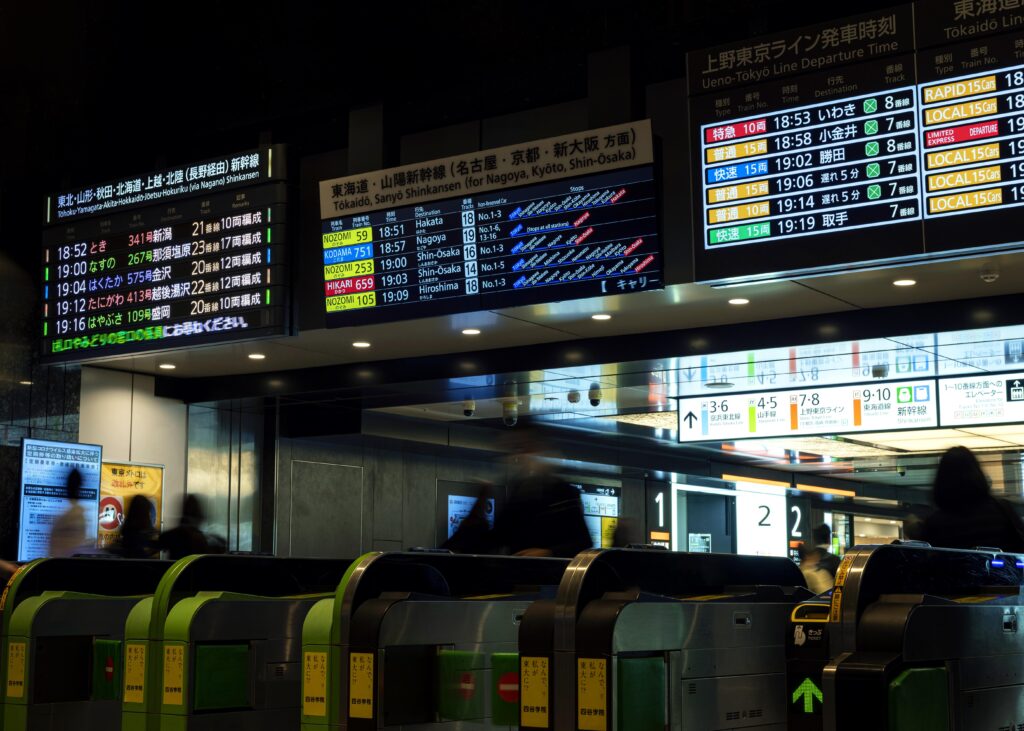
LCD walls have revolutionised the world of visual displays, offering an advanced form of flat-panel technology that delivers stunning and immersive visuals. Whether you’re seeking to enhance your home entertainment experience, transform commercial spaces, or create an engaging environment in educational institutions, LCD walls offer the perfect solution.
In today’s fast-paced world, high-quality visual displays have become paramount. LCD or video walls leverage cutting-edge screens and LCD technology to provide an unparalleled viewing experience. These walls boast high-resolution displays, wide colour gamuts, and LED backlighting, resulting in brilliant LCD images that bring your content to life.
The main purpose of this article is to provide valuable information about LCD walls and how they can take your viewing experience to new heights. We’ll cover everything from display installation and screen size considerations to the best LCD wall brands and maintenance tips. Whether setting up a home theatre, designing an entertainment centre, or creating a modern and sleek display for commercial use, this section will serve as your ultimate guide to LCD walls.
With their slim design and seamless installation, LCD walls transform how we interact with multimedia. Explore the advanced features, compare them with projectors, and unlock a cinematic experience in your living room’s comfort. Discover the possibilities of LCD walls for offices, conference rooms, retail stores, and educational institutions. Join us as we delve into the world of LCD wall technology and unlock the potential for immersive, high-definition entertainment in any setting.
LCD Wall vs. Projector: Making the Right Choice
Regarding large-screen displays, LCD walls and projectors are two popular options offering distinct advantages and disadvantages. This section will compare and contrast these technologies to help you make an informed decision. We focus on providing valuable information about LCD walls and how they can enhance your viewing experience.
Advantages and Disadvantages of LCD Walls and Projectors
LCD walls, or flat-panel displays, are video display technology that offers several benefits. Firstly, LCD walls provide better image quality compared to projectors. With their high-definition and high-resolution displays, LCD walls deliver crisp and detailed visuals, ensuring an immersive viewing experience. The advanced LCD technology and LED backlighting contribute to vibrant colours and a wide colour gamut, resulting in stunning picture quality.
Brightness is another key advantage of LCD walls. These displays offer superior brightness levels, making them suitable for well-lit environments or areas with ambient light. Whether you’re using LCD walls for home entertainment or as a visual display in a commercial setting, their bright and vivid visuals will captivate your audience.
Longevity is yet another strength of LCD walls. They typically have a longer lifespan than projectors, making them a cost-effective investment in the long run. With proper maintenance, an LCD wall can provide years of reliable service, reducing the need for frequent replacements.
On the other hand, projectors have their own set of advantages and disadvantages. Projectors offer flexibility in terms of display size, allowing you to create larger images compared to LCD walls. This feature makes projectors ideal for situations where a massive screen is desired, such as in-home theatres or conference rooms.
However, projectors may need help to deliver the same image quality and brightness level as LCD walls, particularly in well-lit environments. Additionally, projectors require a suitable projection surface or screen for optimal performance, which adds to the installation cost and complexity. Furthermore, projectors often have a shorter lifespan and may require more frequent bulb replacements, increasing maintenance costs.
Cost-Effectiveness of LCD Walls in the Long Run
When considering the long-term cost-effectiveness, LCD walls have the edge over projectors. While projectors may have a lower upfront cost, the need for additional equipment like screens, bulbs, and regular maintenance can quickly add up. On the other hand, LCD walls have lower maintenance requirements, longer lifespan, and fewer ongoing expenses, making them a more economical choice over time.
The Value of LCD Walls in Enhancing Viewing Experience
LCD walls are designed to provide an exceptional viewing experience. Whether you’re looking to improve your home theatre or enhance visual displays in commercial settings, LCD walls offer a range of benefits. Their slim design and seamless wall installation make them perfect for modern interiors. Additionally, LCD walls can be wall-mounted, creating a sleek and space-saving entertainment centre.
You can enjoy immersive visuals, brilliant LCD technology, and high-resolution displays that bring your favourite movies, games, and multimedia content to life by choosing an LCD wall. The cinematic experience of LCD walls is unmatched, delivering stunning picture quality and vibrant colours that surpass what projectors can offer.
Best LCD Wall Brands in the Market
LCD walls, or flat-panel or video displays, are revolutionizing how we experience visual content. With their high-definition capabilities and immersive visuals, LCD walls have become essential to home entertainment, commercial spaces, and educational institutions. This section will explore the top LCD wall brands available in the market, highlighting their key features, performance, and reputation. Whether you’re looking for large display size, advanced features, or seamless installation, this guide will help you make an informed decision.
1. Brilliant LCD: Enhancing Your Viewing Experience
Brilliant LCD is a renowned brand known for its cutting-edge LCD technology and high-resolution displays. Their LCD walls offer a wide colour gamut, ensuring vibrant and lifelike visuals. With a slim design and advanced features, a Brilliant LCD provides a seamless installation experience, making it suitable for home theatre setups and commercial environments. Their wide range of display sizes caters to various requirements, from small screens for personal use to massive video walls for large venues.
2. Immersive Visuals with VisualTech
VisualTech is a leader in the LCD wall industry, delivering exceptional picture quality and immersive visuals. Their displays incorporate LED backlighting technology, producing vibrant colours and enhanced contrast. VisualTech’s LCD walls are designed for wall-mounted display installations, making them ideal for creating an entertainment centre in modern interiors. With its sleek design and wide range of display sizes, VisualTech offers versatility for both residential and commercial applications.
3. Cinematic Experience with DisplayMax
DisplayMax is synonymous with a cinematic viewing experience. They specialise in large-screen LCD walls, providing an immersive display that rivals traditional movie theatres. With their advanced display technology and precise colour calibration, DisplayMax ensures unparalleled picture quality. Their LCD walls are optimised for home theatre setups, delivering an authentic cinematic experience in the comfort of your living room.
4. Future-Proof Technology with TechVision
TechVision is at the forefront of LCD wall innovation, constantly pushing boundaries with its state-of-the-art displays. Their LCD walls feature advanced connectivity options, allowing seamless integration with various multimedia devices. TechVision’s focus on display technology advancements ensures its products remain future-proof, accommodating the latest industry standards. Whether you need an LCD wall for gaming, office use, or educational institutions, TechVision offers versatile solutions to meet your specific requirements.
5. Reliable Performance with SureScreen
SureScreen is a trusted brand known for its reliable performance and exceptional quality. Their LCD walls are designed for commercial use, offering robust durability and seamless operation. SureScreen’s display size options cater to different requirements, from conference rooms to retail stores. Their LCD walls also come with comprehensive troubleshooting guides and maintenance tips, ensuring long-term satisfaction and hassle-free usage.
LCD Walls vs Projectors: Making an Informed Choice
While LCD walls provide impressive visual displays, it’s worth considering the benefits of projectors for certain applications. Projectors offer more flexibility in terms of screen size and placement options. However, LCD walls have advantages such as higher picture quality, better colour reproduction, and lower maintenance requirements. Choosing between an LCD wall and a projector requires careful consideration depending on your specific needs and budget.
Keeping Up with the Latest Advancements
LCD wall technology is constantly evolving, and staying informed about the latest advancements is essential. Manufacturers are now focusing on developing LCD walls with higher pixel densities, HDR capabilities, and improved energy efficiency. Additionally, bezel-less design innovations enhance the seamless viewing experience in video walls, allowing for uninterrupted visuals across multiple displays.
Affordable LCD Walls: Making High-Quality Displays Accessible
Affordable LCD walls have revolutionised the world of visual display technology, challenging the common misconception that they are exclusively high-end and expensive. With advancements in LCD technology and increasing market competition, budget-friendly options are now available without compromising quality. This section aims to provide valuable information about LCD walls, debunking myths and showcasing cost-effective models that deliver excellent performance.
Dispelling the Misconception
LCD walls, or flat-panel or video displays, have long been associated with high prices and luxury installations. However, with the growing demand for home entertainment and visual display solutions, manufacturers have responded by offering affordable LCD walls that cater to a broader audience. By leveraging LCD technology, these displays provide stunning picture quality, immersive visuals, and advanced features at a fraction of the cost of traditional high-resolution displays.
Criteria for Affordable LCD Walls
When considering affordable LCD walls, several key criteria come into play. First and foremost, the display size should align with the intended use and available space. Whether it’s for a home theatre, entertainment centre, office, conference room, retail store, or educational institution, finding the right screen size ensures an optimal viewing experience.
In addition to size, resolution is an essential factor. High-definition (HD) and ultra-high-definition (UHD) resolutions are widely available in affordable LCD walls, enabling crisp and detailed visuals. Furthermore, modern LCD walls often feature LED backlighting, which enhances contrast, colour accuracy, and energy efficiency.
Another aspect to consider is the display technology. LCD walls utilise thin-film transistor (TFT) technology, ensuring fast response times and minimal motion blur. They also offer a wide colour gamut, reproducing vibrant and true-to-life colours. LCD walls’ sleek and slim design allows for seamless installation, making them a perfect fit for modern interiors.
Incorporating the Main Purpose of the Section
The main purpose of this section is to provide valuable information about LCD walls and their ability to enhance the viewing experience. LCD walls offer an affordable alternative to traditional projection systems like projectors or flat-panel TVs. Their immersive visuals, high-resolution displays, and advanced features create a captivating and enjoyable viewing experience for various settings.
Whether you’re looking for a home theatre upgrade, a display installation for commercial purposes, or an entertainment centre centrepiece, affordable LCD walls provide a versatile solution that caters to diverse needs. With their affordable price points, sleek designs, and impressive performance, LCD walls are becoming the go-to choice for those seeking high-quality displays without breaking the bank.
LCD Wall Installation Guide: Setting Up Your Perfect Display
Welcome to our comprehensive LCD wall installation guide, designed to help you set up your perfect display for an enhanced viewing experience. Whether you’re a home entertainment enthusiast, a business professional, or an educator, LCD walls offer stunning visual displays that can transform any space into a captivating multimedia experience. In this guide, we’ll take you through a step-by-step installation process, discuss essential tools and equipment, highlight key considerations for choosing the ideal location and mounting options, cover wiring, connectivity, and calibration, and provide troubleshooting tips for common installation challenges.
Essential Tools and Equipment
Before diving into the installation process, gathering the essential tools and equipment is crucial to ensure a successful LCD wall setup. Here’s a list of items you’ll need:
- Drill and appropriate drill bits
- Level and measuring tape
- Stud finder
- Wall mount brackets or mounting system
- Screws and wall anchors
- HDMI cables and other necessary connectors
- Power tools (if required)
- Cable management solutions (optional but recommended)
- Calibration tools (if needed for advanced calibration)
Choosing the Ideal Location and Mounting Options
Selecting the right location and mounting options for your LCD wall is vital to optimise your viewing experience. Consider the following factors:
- Wall suitability: Ensure the chosen wall can support the weight of the LCD wall and is structurally sound. Avoid mounting on walls with excessive moisture or direct sunlight exposure.
- Viewing distance and angle: Determine the ideal distance and angle for comfortable viewing based on the screen size and room dimensions. Refer to the manufacturer’s recommendations for optimal viewing angles.
- Wall type and material: Identify the wall type (drywall, concrete, etc.) and choose appropriate mounting options accordingly. Consult professionals if you need clarification on the compatibility of the LCD wall and your wall material.
- Safety and accessibility: Mount the LCD wall at a suitable height that provides an unobstructed view while maintaining safety. Ensure easy access to ports and connectors for connectivity.
Installation Process
Follow these step-by-step instructions to install your LCD wall effectively:
- Prepare the area: Clear the installation area and ensure it is free from obstacles. Lay a protective sheet on the floor to prevent damage to the LCD wall during installation.
- Find wall studs: Use a stud finder to locate the wall studs. Mounting your LCD wall on studs provides maximum stability and support.
- Mark the mounting points: Mark the desired height and position for your LCD wall brackets on the wall. Double-check the measurements and use a level to ensure accuracy.
- Drill pilot holes: Drill pilot holes at the marked positions using an appropriate drill bit. This will make it easier to insert the screws during bracket installation.
- Install the brackets: Attach the wall mount brackets securely to the wall using screws and wall anchors. Ensure they are level and tightly secured.
- Mount the LCD wall: With the help of a friend or a professional, carefully lift and mount the LCD wall onto the installed brackets. Double-check the alignment and ensure it locks securely into place.
- Connect the cables: Connect the cables, such as HDMI and power cords, to the back of the LCD wall. Utilise cable management solutions to organise and conceal the cables for a clean and professional look.
- Calibration and setup: Follow the manufacturer’s instructions to calibrate the LCD wall for optimal picture quality, colour accuracy, and other advanced features. Use calibration tools if required.
Troubleshooting Tips for Common Installation Challenges
Even with careful installation, you may encounter some challenges. Here are a few troubleshooting tips:
- No signal or display issues: Ensure all cables are securely connected and check the input source settings on the LCD wall and connected devices.
- Uneven mounting: Use a level to verify that the LCD wall is straight and adjust the brackets if necessary.
- Cable management: If cables are tangled or visible, use cable management solutions to organise and conceal them effectively.
- Calibration issues: If the picture quality or colour accuracy is unsatisfactory, refer to the manufacturer’s instructions for calibration settings or seek professional assistance.
Benefits of LCD Walls: Elevating Your Viewing Experience
LCD walls, also known as flat-panel or video displays, have revolutionised how we consume visual content in various settings. With their enhanced visual experience, flexibility, energy efficiency, and potential for interactive features, LCD walls have become popular for home entertainment, visual displays, and commercial installations. In this section, we will explore the numerous advantages of LCD walls and how they can enhance your viewing experience.
- Enhanced Visual Experience: LCD walls offer various visual benefits that elevate your viewing experience. With their high-definition and high-resolution displays, LCD walls deliver sharp image quality, allowing you to enjoy every detail with exceptional clarity. LCD technology’s vibrant colours and wide colour gamut bring visuals to life, providing a more immersive and captivating viewing experience. Whether watching movies, playing games, or giving presentations, LCD walls ensure brilliant visuals that leave a lasting impression.
- Flexibility and Versatility: One of the standout features of LCD walls is their flexibility and versatility. These displays allow for seamless installation, enabling you to create customised configurations based on your needs. Whether you require a large video wall for a commercial space or a wall-mounted display for your home theatre, LCD walls offer the flexibility to adapt to different settings and display sizes. Furthermore, LCD walls support multiple input sources, making it easy to connect various multimedia devices, such as gaming consoles, Blu-ray players, or computers, enhancing the versatility of these displays.
- Energy Efficiency and Eco-Friendliness: LCD walls are renowned for their energy efficiency compared to other display technologies. Incorporating LED backlighting in LCD panels reduces power consumption, resulting in lower energy bills and a reduced environmental impact. By choosing LCD walls, you enhance your viewing experience and contribute to a greener and more sustainable future.
- Potential for Interactive Features: Certain LCD wall models offer interactive features and touch capabilities, adding a new dimension to your viewing experience. Interactive LCD walls enable users to engage with content in educational institutions, retail stores, and conference rooms, fostering collaboration and interactivity. From interactive presentations to gaming experiences, LCD walls with touch capabilities provide a dynamic and immersive environment.
LCD Walls: Enhancing Your Viewing Experience
To summarise, LCD walls, called video walls or flat-panel displays, offer numerous benefits that enhance your viewing experience. With their vibrant colours, sharp image quality, and wide viewing angles, LCD walls provide a visually captivating experience. The flexibility and versatility of LCD walls allow for customisation and seamless integration with multiple input sources. Moreover, their energy efficiency and eco-friendliness make them a sustainable choice. Certain LCD wall models offer interactive features and touch capabilities, making them ideal for various settings.
LCD walls are the perfect choice whether you’re looking to create a cinematic experience in your home theatre, a captivating visual display in a commercial space, or an interactive learning environment in an educational institution. Experience the brilliance of LCD technology, enjoy high-resolution displays, and transform your space into a visually stunning entertainment centre. With their slim design and advanced features, LCD walls blend into modern interiors, providing an unmatched viewing experience.
Maintenance Tips for Long-Lasting LCD Walls
LCD walls, also known as flat-panel displays or video displays, are a popular screen technology used in various settings, including home entertainment, visual displays, and display installations. To ensure optimal performance and longevity of your LCD wall, following proper maintenance and care practices is essential. In this section, we will provide practical tips for maintaining and caring for your LCD wall, discuss cleaning techniques to preserve image quality and prevent damage, explain how to protect the LCD wall from dust, scratches, and other potential hazards, address common issues, and recommend regular calibration and software updates for optimal performance.
Cleaning Techniques for Preserving Image Quality
To maintain the picture quality of your LCD wall, it’s important to clean it regularly. Here are some cleaning techniques to follow:
- Use a microfiber cloth: Gently wipe the screen surface with a soft, lint-free microfiber cloth to remove dust and smudges. Avoid using rough materials or paper towels, as they may scratch the screen.
- Avoid harsh chemicals: Do not use ammonia-based or abrasive cleaning solutions. Instead, opt for a mixture of distilled water and a mild, non-abrasive detergent specifically formulated for electronics.
- Apply gentle pressure: When cleaning, apply light pressure and use gentle, circular motions. Avoid pressing too hard, as it can damage the screen.
Protecting the LCD Wall from Hazards
To protect your LCD wall from potential hazards such as dust, scratches, and other physical damage, consider the following tips:
- Install a screen protector: A high-quality screen protector protects the LCD wall against scratches and minor impacts.
- Dust regularly: Dust the surrounding area regularly to prevent dust buildup on the screen. Use a soft brush or a microfiber cloth to remove any accumulated dust.
- Avoid direct contact: Discourage touching or poking the screen, as it can lead to fingerprints, smudges, or even damage the delicate screen surface.
- Shield from sunlight: Avoid placing the LCD wall in direct sunlight, as excessive heat and prolonged exposure to sunlight can cause damage to the screen.
Addressing Common Issues
LCD walls may encounter dead pixels, backlighting problems, and image retention. Here’s how to handle these problems:
- Dead pixels: If you notice any dead pixels (individual pixels that remain unlit or permanently lit), contact the manufacturer or a professional technician for assistance. They may be able to repair or replace the faulty pixels.
- Backlighting problems: In case of uneven or flickering backlighting, check the display settings and adjust the brightness level. If the issue persists, consult the manufacturer’s troubleshooting guide or seek professional help.
- Image retention: Avoid displaying static images for extended periods to prevent image retention (known as “burn-in”). Enable the screen saver or power-saving features to mitigate this issue.
Regular Calibration and Software Updates
For optimal performance and to improve the viewing experience, consider regular calibration and software updates:
- Calibration: Calibrate your LCD wall periodically using built-in calibration tools or professional calibration software. This ensures accurate colours, contrast, and brightness levels.
- Software updates: Keep your LCD wall’s firmware and software current. Manufacturers often release updates to improve performance, fix bugs, and introduce new features. Check the manufacturer’s website or the display’s settings menu for available updates.
Conclusion
In conclusion, LCD walls are an excellent choice for immersive visual displays. Throughout this section, we’ve explored the numerous benefits of LCD walls and how they can enhance your viewing experience. With their high-definition, brilliant LCD technology and advanced features, LCD walls offer stunning picture quality and immersive visuals that bring your entertainment to life.
If you’re considering a display installation for your home entertainment or commercial needs, we encourage you to explore the wide range of LCD wall options available. Whether you’re looking for a slim design for your modern interiors or a wall-mounted display for your home theatre, LCD walls offer versatility and a wide colour gamut to suit your preferences.
We invite you to share your experiences or ask questions in the comments below. We aim to provide valuable information about LCD walls and display technology to help you make informed decisions.
Stay tuned for future content related to display technology and home entertainment. We’ll continue to provide useful tips, buying guides, and maintenance advice to ensure you get the most out of your LCD wall. Remember to bookmark this page for easy reference.
Remember, LCD walls offer a cinematic experience, whether it’s for gaming, office, conference rooms, retail stores, or educational institutions. Their affordability, easy setup, and seamless installation make them a practical choice compared to projectors. So, if you’re looking to improve your viewing experience, consider an LCD wall and enjoy the benefits of this remarkable screen technology.
FAQs
What is an LCD wall?
An LCD wall, also known as an LCD video wall or LCD wall, is a large-scale display system composed of multiple LCD (liquid crystal display) panels seamlessly tiled together to form a single screen. It is used for various purposes, including advertising, digital signage, information display, and entertainment.
How does an LCD wall work?
An LCD wall works by combining multiple LCD panels into a grid-like formation. Each LCD panel consists of liquid crystal cells that can control the passage of light. The panels can selectively block or allow light to pass through by manipulating the liquid crystals, creating images and videos. The panels are connected to a video processor coordinating the content across the wall, ensuring a cohesive visual experience.
What are the benefits of an LCD wall?
LCD walls offer several benefits, including high-resolution visuals, excellent color accuracy, wide viewing angles, and the ability to create large-scale immersive displays. They are versatile and customisable, allowing for various configurations and screen sizes. LCD walls are also energy-efficient compared to other display technologies, and their modular nature enables easy maintenance and panel replacement if needed.
Can I install an LCD wall myself?
Installing an LCD wall typically requires professional expertise due to its complexity. It involves precise alignment and calibration of multiple panels, proper cable management, and integration with video processors or control systems. Professional installers have the necessary knowledge and equipment to ensure optimal performance and longevity of the display. It is recommended to hire a qualified installer to handle the installation process.
How much does an LCD wall cost?
The cost of an LCD wall depends on several factors, including the size of the desired display, the resolution, the brand and quality of the panels, additional features (such as touch capability), and installation expenses. Generally, LCD walls are a significant investment, with prices ranging from a few thousand dollars for smaller setups to tens or hundreds of thousands for larger, high-resolution configurations. Consulting with display vendors or system integrators can provide more accurate cost estimates based on specific requirements.
Are LCD walls suitable for gaming?
Yes, LCD walls can be suitable for gaming, providing an immersive and visually stunning experience. With their high resolution, fast response times, and wide viewing angles, LCD walls can enhance gaming environments, particularly in simulation setups or gaming arenas. However, it’s essential to consider the input lag of the video processing system and ensure compatibility with gaming consoles or computers to achieve optimal performance.
Are LCD walls energy efficient?
Yes, LCD walls are generally energy efficient compared to large-scale display technologies like older plasma displays. LCD panels consume power based on the displayed content and can adjust backlight brightness dynamically to conserve energy. Additionally, advancements in LED backlighting technology, such as local dimming, contribute to improved energy efficiency. However, it’s worth noting that the overall power consumption of an LCD wall will still depend on its size, brightness level, and usage patterns.
How do I clean an LCD wall?
To clean an LCD wall, it is important to use proper cleaning techniques to avoid damaging the display. Start by turning off the LCD wall and unplugging it. Use a microfiber cloth or a soft, lint-free cloth slightly dampened with water and mild detergent. Gently wipe the screen in a circular motion, avoiding excessive pressure. Avoid spraying liquid directly on the screen; never use abrasive cleaners or rough materials. Ensure the panels are completely dry before turning the display back on. For specific cleaning instructions, referring to the manufacturer’s guidelines is recommended.
What is the lifespan of an LCD wall?
The lifespan of an LCD wall can vary depending on several factors, including the quality of the panels, usage patterns, and environmental conditions. On average, LCD panels have a lifespan of 50,000 to 100,000 hours of use, translating to approximately 5 to 10 years of continuous operation. However, it’s important to note that individual panels within the LCD wall may have different lifespans due to variances in usage. Regular maintenance, such as proper cleaning and avoiding excessive heat or humidity, can help prolong the lifespan of an LCD wall.
Can I use an LCD wall for outdoor applications?
While LCD walls are primarily designed for indoor use, specialised outdoor LCDs are available for outdoor applications. Outdoor LCD walls are built to withstand harsh weather conditions, including extreme temperatures, sunlight, and moisture. They feature high brightness levels and anti-glare coatings to ensure visibility in bright outdoor environments. However, outdoor LCD walls are typically more expensive than their indoor counterparts due to their specialised construction and protective features. It is important to select displays specifically designed and rated for outdoor use to ensure longevity and optimal performance.
How do I connect devices to an LCD wall?
You will typically need video input sources such as computers, media players, or video processors to connect devices to an LCD wall. The specific connection method depends on the available ports on the LCD wall and the output ports of your devices. Common connection interfaces include HDMI, DisplayPort, DVI, and VGA. Ensure that the LCD wall and the devices support compatible video resolutions and refresh rates for optimal image quality. It is recommended to consult the user manual or technical specifications of both the LCD wall and your devices to determine the appropriate connection method and cable type.
What is the difference between an LCD wall and an LED wall?
The main difference between LCD and LED walls is the display technology. LCD (liquid crystal display) walls consist of individual LCD panels that control the passage of light to create images. On the other hand, LED (light-emitting diode) walls use arrays of tiny LED modules to generate light and colour directly without relying on liquid crystals. While both technologies can produce high-quality visuals, LED walls generally offer higher brightness levels, better contrast ratios, and wider colour gamuts. LCD walls are often more cost-effective for smaller installations, while LED walls are favoured for larger-scale setups due to their scalability and superior visual performance.
Are LCD walls compatible with video conferencing?
Yes, LCD walls can be compatible with video conferencing systems. Participants can view video calls, presentations, and other content on a large-scale display by connecting a video conferencing device, such as a computer or a dedicated conferencing system to the LCD wall. Depending on the capabilities of the video conferencing software or hardware, the LCD wall can serve as a shared display for remote participants, providing a more immersive and collaborative communication experience. It is important to ensure that the video conferencing system and the LCD wall support compatible video resolutions and connectivity options for seamless integration.
Are LCD walls suitable for commercial use?
Yes, LCD walls are suitable for commercial use and find applications in various industries. They are commonly used for digital signage in retail stores, airports, stadiums, and other public spaces to display advertisements, promotional content, or information. LCD walls are also utilised in control rooms, command centres, and corporate settings for data visualisation, monitoring, and collaboration. Their versatility allows customised configurations, sizes, and orientations to meet commercial requirements. With their high-quality visuals and reliability, LCD walls have become popular for businesses seeking impactful and engaging display solutions.
Can I mount an LCD wall on any wall?
In most cases, LCD walls can be mounted on different types of walls, including drywall, concrete, and metal studs. However, the specific mounting method may vary based on the weight and size of the LCD wall and the structural integrity of the wall itself. It is essential to follow the manufacturer’s guidelines and recommendations for mounting, which may include using specific wall mounts or brackets designed for LCD walls. Additionally, it is important to consider factors such as wall stability, load-bearing capacity, and proper anchoring to ensure the safety and stability of the installation. Suppose you’re unsure about the suitability of a particular wall. In that case, it is advisable to consult a professional installer or a structural engineer to assess the feasibility and provide guidance for mounting an LCD wall.