

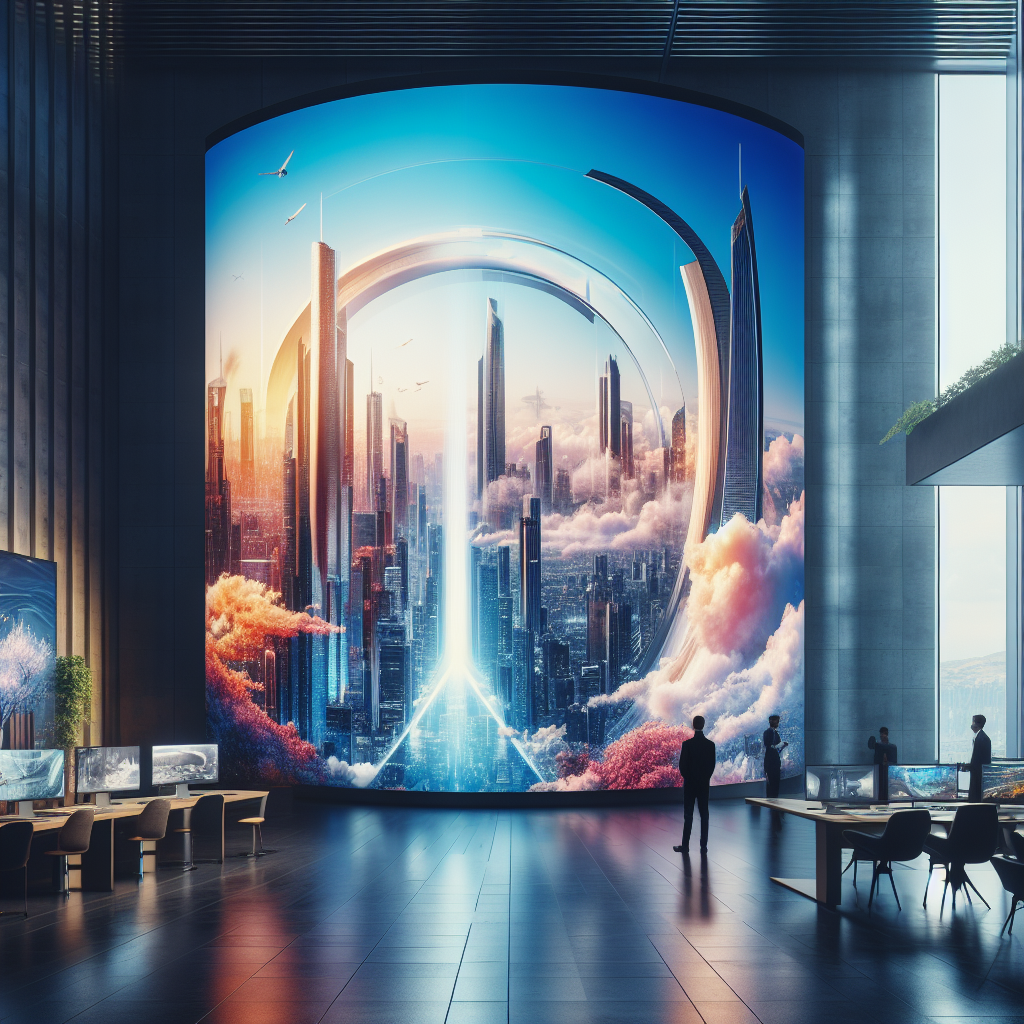
In today’s rapidly evolving technological landscape, curved LED screen walls are revolutionizing how we perceive visual displays. These innovative displays, often referred to as immersive visual displays or curved screen architecture, transcend the limitations of traditional flat screens, offering a dynamic and captivating experience that redefines spaces and engages audiences.
Embrace a new dimension in visual experience with curved LED screen walls, challenging conventional design and transforming environments. As digital signage solutions evolve, curved display panels continue to gain momentum, ushering in a new era of entertainment display trends.
For those intrigued by the potential of curved LED screens, this blog post serves as a comprehensive guide. We’ll delve into every facet, from design considerations and installation tips to the distinct advantages of curved monitor architecture. Additionally, we’ll explore emerging trends in curved LED displays, covering everything from flexible LED displays to arched LED screens.
Discover the transformative benefits, including enhanced engagement and immersive display experiences. Learn about the advantages of concave LED panels and how they can be harnessed for events and entertainment solutions. Dive into the nuances of curved screen content creation, and gain insights into the dimensions and installation of these captivating displays.
From affordable curved LED screens to top brands in curved LED monitors, this guide ensures you’re equipped to make informed decisions when choosing and implementing curved video walls. Explore the advantages over flat screens, and delve into real-world applications that make the most of curved LED display technology.
Curved LED Screen Walls
In the rapidly evolving landscape of visual display technology, curved LED screen walls have emerged as a captivating innovation that’s revolutionizing modern entertainment and communication. Combining the finesse of curved screen architecture with the prowess of cutting-edge LED technology, these installations introduce a new dimension of engagement, drawing audiences into immersive environments like never before.
The Significance of Curved LED Screen Technology
Curved LED screen walls stand at the forefront of immersive visual displays, offering a remarkable blend of aesthetics and functionality. This bendable LED panels technology has unlocked an array of creative possibilities for video wall installations, enabling architects and designers to craft captivating spaces that envelop viewers in captivating narratives. The dynamic curvature of these displays enhances the viewer’s peripheral vision, creating an illusion of depth and making the content come alive.
Bendable LED Panels and their Applications
The flexible nature of bendable LED panels allows for innovative curved screen designs that seamlessly integrate with various environments. From curved digital signage solutions that captivate event attendees to concave LED walls that lend a futuristic touch to corporate spaces, the applications are diverse and compelling. The integration of curved LED screen technology even extends to entertainment display trends, as seen in the rise of curved LED cinema screens that amplify the cinematic experience.
Advantages of Curved Monitor Designs
One of the key advantages of curved LED screen walls is their ability to mitigate visual distortion, a common concern with traditional flat screens. This is especially evident in curved LED TVs and monitors, where the curvature ensures a uniform viewing distance from all points, minimizing image distortion and delivering a consistent, premium visual experience. This makes curved LED gaming monitors particularly appealing, as gamers are treated to an expansive field of view that enhances gameplay immersion.
Curved Screen Content Creation and Trends
The shift towards curved display applications has prompted content creators to rethink their strategies. Curved screen content demands a thoughtful approach that considers the unique dimensions of the display. Creating content that complements the curvature ensures a seamless visual experience, drawing viewers into the narrative with compelling visuals that exploit the capabilities of the technology.
Choosing Curved Video Walls and Displays
When embarking on a journey to harness the benefits of curved LED screen walls, several factors come into play. Designers must weigh the advantages of concave LED panels against the specific requirements of their space. Considering aspects such as curved LED screen dimensions, flexibility of display solutions, and compatibility with curved screen architecture can guide the decision-making process.
The Future of Curved LED Display Technology
As technology continues to advance, the trajectory of curved LED screen walls points towards exciting innovations. From affordable curved LED screens that democratize access to curved display solutions to curved LED installation guides that simplify implementation, the future holds promise. Industry leaders, spurred by the advantages of curved LED video walls, are pushing the boundaries of what’s possible, ensuring that immersive experiences remain at the heart of visual communication.
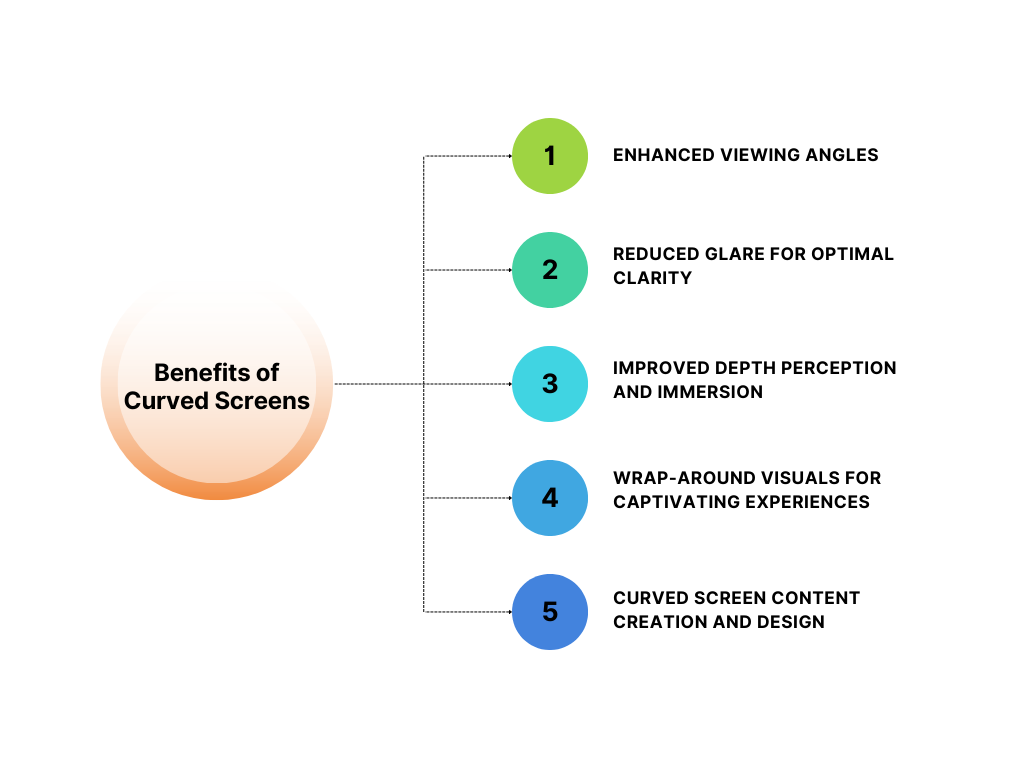
Benefits of Curved Screens
Enhanced Viewing Angles
Curved LED screen walls, a marvel of modern curved LED screen technology, offer a plethora of advantages over traditional flat screens. One of the standout benefits is the remarkable enhancement of viewing angles. Unlike flat screens, which often suffer from reduced visibility and colour distortion when viewed from off-angles, curved LED screen walls ensure a consistent and vibrant visual experience from virtually any angle. This immersive display quality is particularly valuable for large video wall installations in venues like conference halls, entertainment arenas, and digital signage solutions for events.
Reduced Glare for Optimal Clarity
The innovative curved screen architecture of these displays significantly reduces glare, contributing to improved clarity and readability. The curvature minimizes reflections and ambient light distortions, resulting in a clear and sharp image even in environments with challenging lighting conditions. This characteristic is especially advantageous for curved video wall installations in areas with ample natural light, as it allows viewers to enjoy content without the discomfort of glare.
Improved Depth Perception and Immersion
Immersive display experiences have become a hallmark of the entertainment display trends of the present era. Curved LED screen walls excel in creating a sense of depth that flat screens struggle to replicate. By subtly curving the screen’s surface, these bendable LED panels produce a 3D-like effect, immersing the viewer in the content and adding a new layer of engagement. This feature proves invaluable for gaming, simulations, and content designed to captivate the audience’s senses.
Wrap-around Visuals for Captivating Experiences
One of the most striking advantages of concave LED panels is their ability to wrap visuals around the viewer. This unique capability leverages the curvature of the screen to envelop the audience in a captivating experience, making it ideal for creating visually stunning presentations, live events, and artistic installations. Whether it’s an arched LED screen at a gallery or a curved LED cinema screen delivering an unparalleled movie-watching adventure, this technology transforms the way content is perceived.
Curved Screen Content Creation and Design
As curved LED screen dimensions guide the path to more creative opportunities, content creators are discovering new ways to harness this technology. The curvature serves as a canvas for dynamic and innovative content, encouraging the exploration of curved screen content creation tips. Brands and artists are leveraging curved LED displays to deliver memorable experiences that resonate with audiences, establishing a connection that traditional flat screens simply cannot replicate.
Curved LED vs. Flat Screen: Making the Choice
Curved LED screens have transformed the entertainment display landscape with their unique architecture and captivating features. These bendable LED panels bring a new dimension to video wall installations and digital signage solutions. Let’s delve into a detailed comparison between curved LED screens and flat screens, highlighting the advantages of curved displays and their applications in various contexts.
Advantages of Curved Screen Architecture
Curved LED screens are designed to mimic the curvature of the human eye, providing a more natural and encompassing field of view. This immersive display approach ensures that viewers experience content in a way that closely resembles real-life visuals. Whether it’s a curved LED screen wall or a curved digital signage installation, this design fosters a sense of depth and engagement that flat screens struggle to match.
Bendable LED Panels and Flexible Design
The evolution of curved screen technology has introduced bendable LED panels, allowing for flexible designs that can adapt to different spaces. Video wall installations using these panels create visually striking environments that draw the viewer into the content. Whether it’s a concave LED wall or an arched LED screen, the flexibility of design enables customization to fit various applications, from curved LED cinema screens to curved LED gaming monitors.
Benefits of Curved Displays
Enhanced Viewing Comfort
Curved LED monitors offer advantages in terms of viewing comfort. The curved screen design reduces distortion and minimizes glare, resulting in a more comfortable and enjoyable viewing experience. This is particularly valuable for extended entertainment sessions or professional applications where visual comfort is essential.
Engaging Entertainment Experience
Curved screen content comes alive with a sense of depth and presence that adds a new dimension to entertainment. Whether it’s watching movies, playing games, or experiencing virtual reality content, curved LED screens provide an unparalleled level of immersion. This aligns with current entertainment display trends that prioritize immersive experiences.
Curved Display Applications
Digital Signage and Events
The advantages of curved LED displays extend to various applications. Curved digital signage solutions are particularly impactful at events and public spaces, where the concave LED panels draw attention and create a visually stunning atmosphere. The curved screen architecture helps engage and inform attendees in an innovative manner.
Gaming and Professional Use
Gamers and professionals also benefit from curved LED screens. The curved monitor advantages include improved peripheral vision, reduced distortion at the edges, and a more focused visual field. This is especially useful for immersive gaming experiences and tasks that demand precision and attention to detail.
Choosing Curved Video Walls: Installation and Design
When selecting curved LED screens for video wall installations, it’s crucial to consider factors such as viewing distance, screen size, and content type. Affordable curved LED screens are widely available, but it’s essential to opt for reputable brands that offer quality products. Following curved LED wall design tips ensures an optimal viewing experience and maximizes the benefits of curved display panels.
Curved LED and Flat Screens
| Aspect | Curved LED Screens | Flat Screens |
| Viewing Comfort | Reduced distortion, minimized glare | Limited improvement |
| Immersion | Enhanced sense of depth and presence | Standard viewing experience |
| Design Flexibility | Bendable LED panels, flexible designs | Fixed design limitations |
| Applications | Events, gaming, professional use | General-purpose applications |
Designing with Curved LED Screen Walls
Designing spaces with curved LED screen walls offers a unique opportunity to create captivating and immersive environments. By harnessing the power of curved screen technology, bendable LED panels, and video wall installations, you can craft stunning visual displays that redefine entertainment and digital signage solutions. In this guide, we’ll explore practical tips for leveraging the advantages of curved LED screen walls to create impactful and engaging experiences.
Utilizing Curved Screen Architecture
Curved Screen Design for Enhanced Immersion:
One of the key benefits of curved LED screen walls is their ability to enhance immersion. By embracing curved screen architecture, you can wrap your audience in a dynamic visual experience that stimulates their senses. When designing your space, consider the concave LED wall layout, which draws viewers into the content for a more captivating experience.
Bendable LED Panels for Custom Curvatures:
The role of bendable LED panels cannot be understated in achieving custom curvatures. These flexible LED displays enable designers to shape screens to match the curvature of the space, allowing for seamless integration. By utilizing bendable LED panels, you can achieve unique shapes and configurations, such as arched LED screens or curved LED cinema displays.
Optimizing Content for Curved LED Displays
Curved Screen Content Creation:
Creating content that complements the curvature of the LED video wall is crucial. Consider how the content flows across the screen and engages viewers at different viewing angles. With curved screen technology, you have the opportunity to design content that feels more natural and immersive.
Choosing Curved LED Displays:
When selecting curved LED displays, keep in mind the advantages of concave LED panels. These panels are designed to match the curvature of the wall, creating a seamless and visually appealing display. Compare different curved LED monitor brands and explore affordable curved LED screens that suit your space and budget.
Enhancing Entertainment with Curved LED Displays
Curved Screen Entertainment Trends:
Curved LED screen walls are driving the evolution of entertainment display trends. From curved LED gaming monitors to curved digital signage for events, these displays are reshaping the way audiences experience content. Stay updated on the latest curved screen entertainment solutions to remain at the forefront of innovation.
Advantages of Curved LED Video Walls:
The benefits of curved LED video walls extend beyond aesthetics. These displays offer enhanced visibility and engagement, making them a popular choice for various applications. Consider the advantages of curved LED displays, such as improved viewing angles and reduced glare, when designing your space.
Practical Considerations and Implementation
Curved LED Screen Dimensions Guide:
When planning your curved LED screen wall, refer to a dimensions guide to ensure optimal display size and curvature. This guide will help you determine the ideal dimensions based on viewing distance and audience engagement.
Installation of Curved LED Screens:
For a successful installation process, follow a comprehensive guide on how to install curved LED screens. Proper installation ensures that the panels align seamlessly, delivering a uniform and visually striking display.
Installation Guide for Curved LED Screen Walls
When setting up curved LED screen walls, selecting the appropriate mounting option is crucial for a secure and visually appealing installation. Curved screen technology has revolutionized immersive visual displays, and understanding the nuances of curved screen architecture is essential. Here’s a step-by-step guide for a successful installation:
1. Choosing the Right Location
Select a suitable location for the curved LED screen wall. Consider factors like viewing angles, ambient lighting, and the intended audience. Ensure the space has enough room for the installation and provides a clear line of sight for optimal viewing.
2. Preparing the Surface
Prepare the installation surface by ensuring it’s level, sturdy, and able to support the weight of the LED panels. Any irregularities can affect alignment and the overall visual experience.
3. Selecting Mounting Options
There are several mounting options available for curved LED screen walls, including wall mounts, ceiling mounts, and freestanding structures. Choose the option that best suits the space and provides a secure attachment for the bendable LED panels.
Alignment Techniques for Immersive Display
Proper alignment of the curved display panels is crucial to avoid distortion and ensure a seamless viewing experience. Utilize alignment techniques that ensure accurate positioning:
1. Laser Alignment Tools: Laser alignment tools help achieve precise alignment by projecting reference lines onto the installation surface. This ensures that the curved LED panels are positioned correctly, creating a visually stunning display.
2. Manual Adjustment: In cases where laser tools aren’t available, manual adjustment can be used. Align the panels carefully, using a level and measurements to ensure uniformity across the entire curved screen wall.
Challenges and Importance of Professional Installation
1. Challenges Installing curved LED screen walls comes with challenges such as:
- Ensuring uniform brightness and colour across curved panels.
- Managing cable routing to maintain a clean and organized appearance.
- Avoiding moiré patterns or distortions caused by improper alignment.
- Dealing with potential reflections and glare in brightly lit environments.
2. Professional Installation: Given the complexities involved, professional installation is highly recommended. Experienced installers understand the intricacies of video wall installations, ensuring that challenges are mitigated and the final result is both functional and visually captivating.
Curved Screen Applications and Digital Signage Solutions
Curved LED screen walls have diverse applications, including:
- Curved displays for events, conferences, and exhibitions.
- Curved digital signage for immersive brand experiences.
- Entertainment venues utilise curved screens for enhanced visual impact.
- Gaming setups with curved LED gaming monitors for an immersive gaming experience.
Advantages of Curved Display Panels
Curved display panels offer numerous advantages, such as:
- Increased perceived screen size and immersion.
- Reduced glare and reflections due to minimized ambient light impact.
- Enhanced depth perception, making content more engaging.
- Improved focus on content by aligning with the natural curvature of the eyes.
Conclusion
Incorporating the revolutionary prowess of curved LED screen walls can reshape how you captivate audiences within entertainment venues, commercial establishments, or architectural marvels. From conceptualization to staying abreast with cutting-edge trends, this blog empowers you to transcend traditional norms and embrace the enchanting realm of curved LED displays. This immersive visual technology has transcended into a pivotal role in the world of curved screen architecture, with bendable LED panels transforming video wall installations into digital storytelling masterpieces.
Embracing the versatility of curved LED screen technology delivers more than just a visual spectacle—it provides a canvas to orchestrate captivating narratives. Whether exploring the benefits of concave LED panels, delving into affordable curved LED screens, or contemplating the advantages of curved LED video walls, this content navigates the curved display landscape effortlessly. Unveil the dimensions, benefits, and trends within the curved LED screen domain, and discover the captivating intersection of entertainment and technology. Experience the future with curved LED screen walls—your gateway to immersive, engaging, and unprecedented visual experiences.
FAQs
What are the benefits of a curved LED screen wall?
Curved LED screen walls offer enhanced immersive experiences by wrapping visuals around the viewer’s field of vision, providing a wider viewing angle and reduced distortion at the edges. They can also reduce glare and reflections, making content more visible. Curved screens can create a sense of depth and engagement, especially in larger setups like theatres or command centres.
How do I install a curved LED display?
Installing a curved LED display involves securing the display panels onto a curved frame or structure. Precise alignment and calibration are crucial for seamless visuals. Consult manufacturer guidelines for specific installation steps, including mounting, cabling, and testing. Professional installers often ensure the correct setup for optimal performance.
Are curved screens better for gaming?
Curved screens can enhance gaming by enveloping the player’s vision, creating a more immersive experience. They can also minimize distortion at the edges of the display and provide a wider viewing angle. However, preferences vary; some gamers enjoy the immersion, while others prefer flat screens for competitive gaming due to even lighting and reduced visual distortion.
Which brands offer the best curved LED monitors?
Several reputable brands offer high-quality curved LED monitors, including Samsung, LG, Dell, ASUS, and MSI. Consider factors like display size, resolution, refresh rate, and connectivity options when choosing the best option for your needs.
What is the difference between curved and flat screens?
Curved screens have a slight bend, which can enhance immersion and reduce distortion at the edges. Flat screens are traditional and offer even lighting and wider optimal viewing angles. The choice between the two depends on personal preference, intended use, and the desired viewing experience.
Can I use curved LED displays for events?
Yes, curved LED displays are suitable for events, providing an eye-catching visual element for presentations, concerts, trade shows, and more. Their immersive nature can engage attendees and enhance content delivery.
Do curved screens reduce glare?
Yes, curved screens can reduce glare by directing light away from viewers’ eyes, potentially improving visibility in well-lit environments. However, glare reduction also depends on the screen’s design, material, and ambient lighting conditions.
Are curved video walls suitable for outdoor use?
Yes, there are outdoor-rated curved LED video walls designed to withstand weather conditions. These displays are often used for outdoor events, advertising, and entertainment, offering impressive visuals even in challenging environments.
How do I create content for a curved screen?
Creating content for curved screens requires adjusting aspect ratios and accounting for the curve’s distortion. Professional software tools can help you design and adapt content to match the screen’s specifications for optimal visual impact.
What is the lifespan of a curved LED TV?
The lifespan of a curved LED TV depends on factors like usage, build quality, and maintenance. On average, modern LED TVs can last around 5 to 10 years with proper care.
Are curved displays more immersive?
Yes, curved displays can be more immersive due to their ability to wrap visuals around the viewer’s field of vision. This can create a sense of depth and engagement, particularly in applications like gaming, movies, and simulations.
Do curved screens work for data visualization?
Curved screens can enhance data visualization by providing a wider field of view and reducing distortion. However, the effectiveness depends on the type of data being presented and the viewer’s preferences.
What industries use curved LED displays?
Curved LED displays are used in various industries, including entertainment (theatres, gaming), advertising (outdoor displays), command and control centres, design (architecture, automotive), and events (conferences, concerts) due to their immersive and attention-grabbing qualities.
What is the ideal viewing distance for a curved screen?
The ideal viewing distance for a curved screen depends on its size and curvature. As a general rule, sit at a distance where the entire screen is within your peripheral vision without straining your neck. Refer to manufacturer recommendations for specific models.
Are curved screens suitable for small spaces?
Curved screens can work in small spaces, but it’s essential to consider the curvature’s impact on viewing angles and distortion. In limited spaces, smaller curved screens might provide a more subtle immersive effect, while larger curves could dominate the space. Evaluate the space and viewer preferences to determine the best fit.