

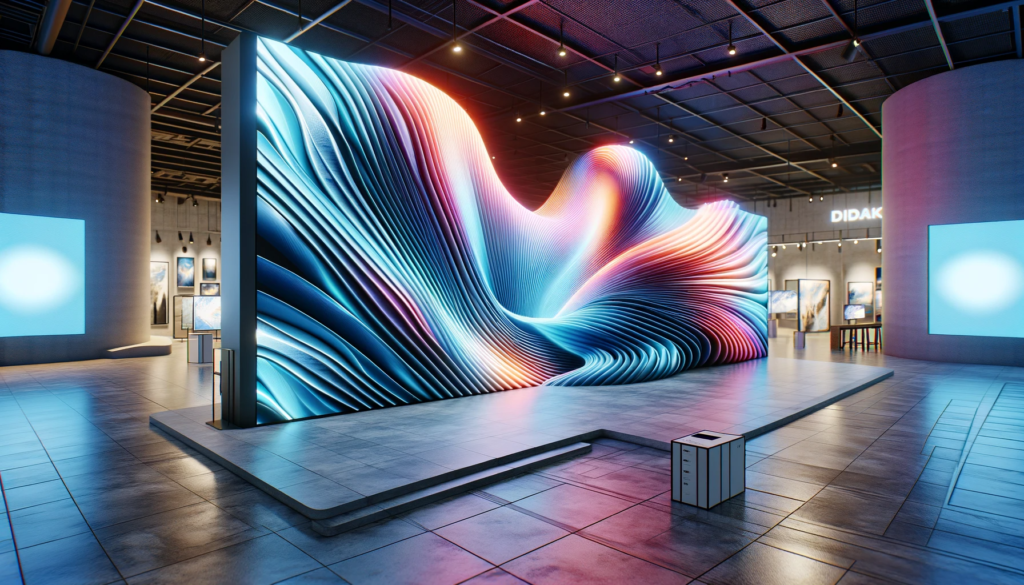
In the realm of modern display solutions, the term “flexible video wall” stands as a beacon of innovation and creativity. Gone are the days of traditional norms; today, video wall technology has ushered in a new era of dynamic visual experiences. A flexible video wall comprises adaptable screens and modular architecture, enabling versatile configurations that defy conventional limits. These innovative video walls transcend mere display; they are interactive canvases that transform spaces.
In this blog, we’ll explore the multifaceted world of video walls, diving into their scalable setups, customizable layouts, and innovative designs. We’ll delve into the best practices for flexible video walls and highlight the benefits of embracing adaptable video panels. Whether you’re seeking to optimize interactive displays, select the right video wall technology, or create immersive visual experiences, this guide will serve as your compass.
Join us as we journey through the realm of versatile video display solutions, uncovering the power of dynamic video panel configurations, and discovering the art of maximizing ROI with adaptable display screens. From understanding scalable video architecture to exploring interactive digital wall features, we’ll equip you with insights to elevate your approach. As a trailblazer in the field, we also showcase top companies for innovative video walls and delve into case studies of flexible screen installations. Stay tuned to embrace the future of display technology and create captivating visual narratives.
Understanding Flexible Video Walls
A flexible video wall is an innovative display solution that revolves around adaptable screens and modular architecture. This technology allows for the creation of dynamic visual setups with versatile configurations, making it an ideal choice for various applications. The core components of a flexible video wall include adaptable screens and modular architecture. Adaptable screens are display panels that can be adjusted in size, shape, and arrangement to fit different spaces and purposes. Modular architecture refers to the framework that enables these adaptable screens to be seamlessly connected and rearranged.
Distinguishing Flexible Video Walls from Traditional Displays
Compared to traditional displays, flexible video walls stand out due to their ability to offer customizable layouts and interactive features. While traditional displays are fixed and limited in their configurations, flexible video walls utilize modular display systems that allow for scalable setups. This ensures that the video wall can be tailored to various dimensions and orientations, making it a versatile solution for different environments. The technology also supports interactive displays, enabling users to engage with the content directly.
Benefits and Relevance of Video Wall Technology
The advantages of flexible video walls span across various aspects of visual experiences. With their adaptable video panels and dynamic visual setups, these innovative video walls can create immersive and captivating environments. Their versatility in terms of configurations and layouts opens up a world of creative possibilities, making them particularly relevant for events, retail spaces, command centers, and more.
Interactive Digital Walls and Creative Video Installations
The utilization of versatile video wall technology can greatly enhance interactive experiences. By incorporating interactive video displays, users can actively engage with the content, leading to a more memorable and impactful experience. This is particularly effective in creating dynamic visual experiences for exhibitions, trade shows, and presentations. Companies that specialize in flexible video walls provide customizable video setups that allow for adjustable video wall configurations tailored to the event’s specific needs.
Maximizing ROI with Adaptable Display Screens
One of the key benefits of adopting modular screen arrangements is the ability to maximize return on investment (ROI). With the capability to customize video layouts for events, brands can tailor their content to their audience and effectively convey their message. This approach increases engagement and helps companies achieve their marketing goals. Moreover, the cost-effective nature of adaptable video panels ensures that businesses can make the most out of their investment.
Choosing the Right Video Wall Technology
When selecting the appropriate video wall technology, it’s essential to consider the specific requirements of the intended application. Factors such as space availability, desired interactivity level, and content format play a crucial role in determining the ideal solution. By understanding scalable video architecture and the benefits of versatile video displays, organizations can make informed decisions that align with their goals and audience preferences.
Innovative Video Display Solutions and Future Trends
The realm of video wall technology continues to evolve with advancements in display technology and interactive capabilities. As the demand for immersive experiences grows, creative video wall designs are becoming more prevalent across industries. Companies specializing in innovative video walls offer a wide range of solutions that cater to unique needs, whether it’s for retail spaces, control rooms, or entertainment venues. Keeping up with the latest trends in modular display technology ensures that businesses can stay at the forefront of visual innovation.
Choosing the Right Video Wall Technology
Considerations for Selecting the Appropriate Video Wall Technology
When it comes to making informed decisions about video wall technology, understanding the range of options available and their suitability for specific needs is paramount. The modern landscape of display solutions offers adaptable screens, innovative video walls, and dynamic visual setups that can transform spaces into immersive experiences. To make the right choice, one must factor in aspects such as modular architecture, interactivity, scalability, and versatility.
Adaptable Screens for Dynamic Visual Experiences
One of the key considerations in selecting video wall technology is the adaptability of the screens. Adaptable video panels allow for customizable layouts and versatile configurations, enabling users to tailor the visual experience to their exact requirements. This modular display system empowers creative video installations, making it possible to achieve unique and innovative designs that resonate with the audience.
Interactivity and Scalability in Video Wall Technology
Interactive displays have gained traction in recent times due to their ability to engage audiences in new and exciting ways. Scalable setups enable the expansion of the video wall as needs grow, making them suitable for various environments, from corporate offices to event spaces. These versatile video display solutions can be adjusted to accommodate different screen arrangements, creating dynamic visual experiences that captivate viewers.
Maximizing ROI with Adaptable Display Screens
In today’s competitive landscape, it’s important to maximize Return on Investment (ROI) when investing in technology. Adaptable digital walls offer a cost-effective solution by allowing customization of video layouts for events. This not only ensures that the content aligns with the event’s theme but also enhances attendee engagement and satisfaction. By following best practices for flexible video walls, organizations can ensure they’re making the most of their investment.
Innovative Designs and Creative Video Installations
When selecting video wall technology, it’s essential to consider the potential for innovative designs and creative installations. Modular video wall design ideas are gaining popularity as they allow for flexible screen arrangements that can be adapted to suit various purposes. Whether it’s creating immersive visual experiences at trade shows or showcasing dynamic content in retail spaces, versatile video wall technology offers endless possibilities.
Selecting the Right Video Wall Technology: Best Practices
To assist in making the right choice, consider the following best practices:
- Understand the specific needs and goals of your project.
- Evaluate the adaptability and scalability of the video wall technology.
- Research top companies are known for providing innovative video walls.
- Compare the benefits of flexible versus fixed video walls.
- Explore case studies of successful flexible screen installations.
- Stay updated with the latest trends in modular display technology.
Best Practices for Flexible Video Walls
Flexible video walls have revolutionized the realm of visual display solutions, offering dynamic and engaging experiences for a variety of applications. By leveraging innovative video wall technology and adaptable screens, businesses and organizations can create captivating environments that capture attention and convey messages effectively. In this guide, we’ll delve into the essential best practices for setting up and managing flexible video walls, addressing content optimization, maintenance, interactive displays, and more.
Creating Effective Flexible Video Wall Setups
When embarking on the journey of implementing flexible video walls, there are several crucial best practices to consider:
1. Selecting the Right Video Wall Technology
The foundation of any successful flexible video wall lies in the choice of video wall technology. Opt for versatile video wall technology that supports modular architecture and scalable setups. This ensures seamless expansion and adaptability to changing requirements.
2. Customizable Display Solutions for Maximum Impact
Utilize customizable layouts to enhance engagement and visual impact. Customizable video layouts enable you to tailor the display to suit different events, messages, or branding needs. This flexibility contributes to dynamic visual experiences that resonate with your audience.
3. Content Optimization for Interactive Displays
Interactive displays are a cornerstone of modern video wall setups. When optimizing content for interactive video displays, prioritize clear and concise information. Incorporate versatile video content that allows users to explore and engage actively.
4. Maintenance and Longevity
Regular maintenance is essential to preserve the functionality and visual quality of your video wall. Develop a maintenance schedule that includes cleaning, software updates, and hardware checks. This ensures that your innovative video walls continue to provide reliable performance over time.
Utilizing Adaptable Video Panels
Adaptable video panels are at the heart of flexible video walls. Here are some tips for effectively leveraging these panels:
1. Scalable Video Architecture for Future-Proofing
Choose scalable video architecture that accommodates future expansion. This approach guarantees that your video wall can evolve as your needs change, without the need for a complete overhaul.
2. Creative Video Installations for Immersive Experiences
Explore creative video wall designs to create immersive visual experiences. Experiment with different configurations, sizes, and arrangements to craft unique and engaging displays that captivate your audience.
3. Interactive Digital Walls for Audience Engagement
Incorporate interactive digital walls to encourage audience engagement. Interactive displays enable users to interact with content, fostering a deeper connection and understanding of the message being conveyed.
Creative Applications and Innovative Designs
In today’s rapidly evolving digital landscape, video wall technology has emerged as a game-changer, offering a wide range of possibilities for innovative designs and creative applications. These customizable display solutions often referred to as flexible video walls, provide dynamic visual setups that captivate audiences across various industries and events. Leveraging modular architecture and interactive displays, the potential benefits of incorporating flexible video walls are immense.
Interactive Displays: A Gateway to Immersive Experiences
Interactive displays powered by versatile video wall technology are reshaping the way audiences interact with content. Through scalable setups and versatile configurations, these dynamic visual experiences create immersive environments that leave a lasting impact. For instance, in retail spaces, interactive digital walls offer customers an engaging shopping journey, allowing them to explore products with just a touch.
Real-World Examples: Showcasing Success
Several companies have already embraced the benefits of adaptable video panels and innovative video display solutions. An exemplary case is a renowned automobile brand that utilized a configurable video screen set up in their showroom. This flexible video wall showcased their vehicle lineup, allowing customers to customize colours and features in real-time, leading to an increase in customer engagement and sales.
Benefits Across Industries: Versatility Unleashed
The advantages of utilizing flexible video walls extend to various industries. In the education sector, for instance, modular display systems enable educators to present complex concepts through interactive digital walls, fostering a deeper understanding among students. Similarly, in corporate events, customizable video setups help convey information in a visually captivating manner, enhancing the overall impact of presentations.
Maximizing ROI: Strategies for Success
To make the most of flexible video wall installations, certain best practices should be followed. When selecting video wall technology, consider factors like adaptability, scalability, and ease of maintenance. Understanding the needs of the target audience and aligning content accordingly ensures that dynamic visual installations resonate effectively.
Innovative Design Possibilities: Going Beyond Boundaries
Thinking outside the box is key when exploring creative ways to use video walls. One captivating approach is creating a mosaic-style video wall, assembling small adaptable display screens to form a larger, unified visual. This innovative design can be utilized for storytelling at art exhibitions, offering visitors a dynamic and engaging narrative.
Maximising ROI and Scalable Setups
Adaptable video walls, a hallmark of modern display solutions, have become a game-changer for businesses seeking to maximize their return on investment (ROI) through dynamic visual experiences. This innovative video wall technology offers versatile configurations that cater to various events and occasions, making it a flexible and customizable display solution.
Dynamic Visual Setups for Different Events and Occasions
Optimizing Interactive Content and Layouts
One of the best practices for flexible video walls is optimizing interactive content and layouts to cater to different events and occasions. Businesses can create immersive visual experiences by customizing video layouts for events, allowing attendees to engage and interact seamlessly with the dynamic visual displays. Interactive digital walls become a canvas for creativity, enabling businesses to showcase their products or services in a captivating and memorable manner.
Creative Ways to Use Video Walls
Innovative video walls open the door to creative video installations that leave a lasting impact on viewers. By using adjustable video wall configurations, businesses can tailor their presentations to the specific needs of each event. For instance, a retail store can utilize modular display systems to promote special offers during sales events, while a conference can employ adaptable video panels to share dynamic presentations with attendees.
Success Stories of Businesses with Flexible Video Walls
Achieving Significant ROI through Flexible Video Walls
Several businesses have successfully harnessed the power of adaptable video walls to achieve impressive ROI figures. A case study of a trade show booth manufacturer showcases how they used scalable setups to create stunning video wall displays that attracted attendees and increased booth engagement by 40%. By incorporating versatile video display solutions, they were able to convey their product range effectively and leave a lasting impression.
Maximizing ROI with Adaptable Display Screens
Another example involves a luxury car dealership that utilized flexible video wall technology to create dynamic visual experiences for potential customers. By showcasing their vehicles in innovative ways through customizable layouts, they managed to increase foot traffic to their showroom by 25% and significantly boost their sales within the first quarter of implementation.
Adaptable Video Walls vs Fixed Solutions
| Aspect | Adaptable Video Walls | Fixed Video Walls |
| Configuration Flexibility | Versatile layouts for various events | Static layout |
| Return on Investment (ROI) | Higher potential due to adaptability | Limited ROI potential |
| Installation Cost | Affordable modular systems | Higher installation costs |
| Maintenance and Updates | Easily replace or update displays | Complex maintenance |
Future Trends in Adaptable Video Wall Technology
As technology continues to evolve, so does the potential of adaptable video walls. The demand for dynamic visual setups and innovative video display solutions is driving advancements in modular display technology. With a focus on scalability and versatility, businesses can expect even more creative video wall designs that cater to various industries and occasions.
Conclusion
In conclusion, our blog has delved into the transformative power of video wall technology, highlighting its versatile configurations, interactive displays, and customizable layouts. Through this discussion, it’s evident that flexible video walls are more than just displays; they’re gateways to immersive, memorable experiences. As the digital landscape evolves, adaptable video panels and modular architecture are becoming essential for captivating audiences.
By embracing innovative video wall solutions, businesses can stand out in the competitive landscape. Scalable setups and dynamic visual experiences offered by these systems enhance engagement and leave lasting impressions. Whether it’s creative video installations, customizable setups for events, or maximizing ROI through adaptable display screens, the benefits are clear. With a comprehensive understanding of best practices, from selecting the right technology to optimizing interactive content, these flexible display solutions hold the key to unlocking exceptional engagement and value.
Stay ahead of the curve, explore diverse possibilities, and craft unparalleled experiences with versatile video wall technology. Remember, it’s not just a video wall – it’s a canvas for innovative designs and limitless creativity, ushering in the future of dynamic visual installations.
FAQs
How does a flexible video wall work?
A flexible video wall typically comprises individual display panels that can be arranged in various configurations. These panels are interconnected and controlled by a video processor or controller. The processor processes and distributes content to each panel, forming a cohesive display. Through software, users can manipulate the content, size, and arrangement of panels, enabling dynamic visuals and adaptable layouts.
What are the benefits of using adaptable video panels?
Adaptable video panels offer versatility in creating customized display configurations. They can adapt to different spaces and requirements, making them suitable for diverse applications. These panels enhance engagement, accommodate varying content types, and can be reconfigured for specific events. They allow for creative and immersive experiences, making them ideal for interactive presentations, retail displays, control rooms, and more.
How do I choose the right video wall technology?
When selecting video wall technology, consider factors like space, viewing distance, content type, and budget. Choose between LED, LCD, or OLED based on brightness, contrast, and colour accuracy. Determine resolution needs, bezel size (for seamless visuals), and compatibility with your content sources. Test viewing angles and assess the scalability and serviceability of the system.
Can I customize the layout of a video wall?
Yes, most video walls offer customizable layouts. You can adjust the arrangement, size, and orientation of panels to suit your content and space. Software or a controller allows real-time adjustments, ensuring flexibility for different scenarios or changing content requirements.
Are interactive video displays user-friendly?
Yes, interactive video displays are designed with user-friendliness in mind. They often feature touch or gesture controls, intuitive interfaces, and responsive feedback. The goal is to make interactions natural and seamless, catering to users of varying technical familiarity.
What industries benefit from dynamic visual setups?
Industries like advertising, entertainment, education, retail, hospitality, command and control centers, and exhibitions benefit from dynamic visual setups. These setups enhance communication, engagement, and information dissemination in ways that traditional static displays cannot.
How can I create creative video installations?
To create creative video installations, begin by defining your goals and target audience. Plan an immersive experience that aligns with your message. Leverage multimedia content, interactive elements, and innovative use of space. Integrate sound, lighting, and motion for a multi-sensory experience that captures attention and delivers a memorable impact.
Are modular screen arrangements cost-effective?
Yes, modular screen arrangements can be cost-effective. They allow you to start with a smaller setup and expand gradually. Modular panels are often easier and cheaper to replace than large integrated screens. Additionally, their scalability means you can adjust the configuration to fit different spaces, reducing the need for a complete system overhaul.
What is the ROI of scalable video architecture?
The ROI of scalable video architecture lies in increased engagement, effective communication, and enhanced user experiences. Businesses benefit from improved brand perception, higher customer interaction, and more effective content delivery. The adaptability of the system also minimizes future upgrade costs, yielding a longer lifespan for the investment.
What are the advantages of versatile video content?
Versatile video content can be repurposed for various contexts, reaching different audiences across platforms. It’s cost-effective, maximizing the value of your content creation efforts. With adaptable displays, one set of content can serve multiple purposes, from presentations to promotions, increasing the content’s overall utility.
How do I install a flexible video wall?
Installation involves arranging the panels in the desired configuration, securing them to a stable structure, and connecting them to power and data sources. Calibrating the display ensures uniform brightness and colour consistency. Configure the control software to manage content distribution and layout adjustments.
Are there case studies of successful video wall designs?
Yes, numerous case studies showcase successful video wall implementations. For instance, control rooms use video walls to monitor data in real-time. Retailers create immersive brand experiences. Museums enhance visitor engagement. These studies highlight the impact of video walls in various contexts.
What’s the difference between fixed and flexible video walls?
Fixed video walls have a permanent layout and are best for dedicated spaces. Flexible video walls allow dynamic arrangements, making them adaptable to changing needs. They suit environments requiring versatility and temporary setups.
Can I use adaptable display screens for events?
Yes, adaptable display screens are perfect for events. You can customize layouts for presentations, branding, or interactive activities. The versatility ensures your display aligns with different event themes and requirements.
How do I optimize interactive content on digital walls?
Optimize interactive content by ensuring it’s intuitive, responsive, and engaging. Prioritize user experience, simplifying navigation and interactions. Use clear calls-to-action, and test the content thoroughly in the intended environment to identify any usability issues. Regularly update content to keep it fresh and relevant.