

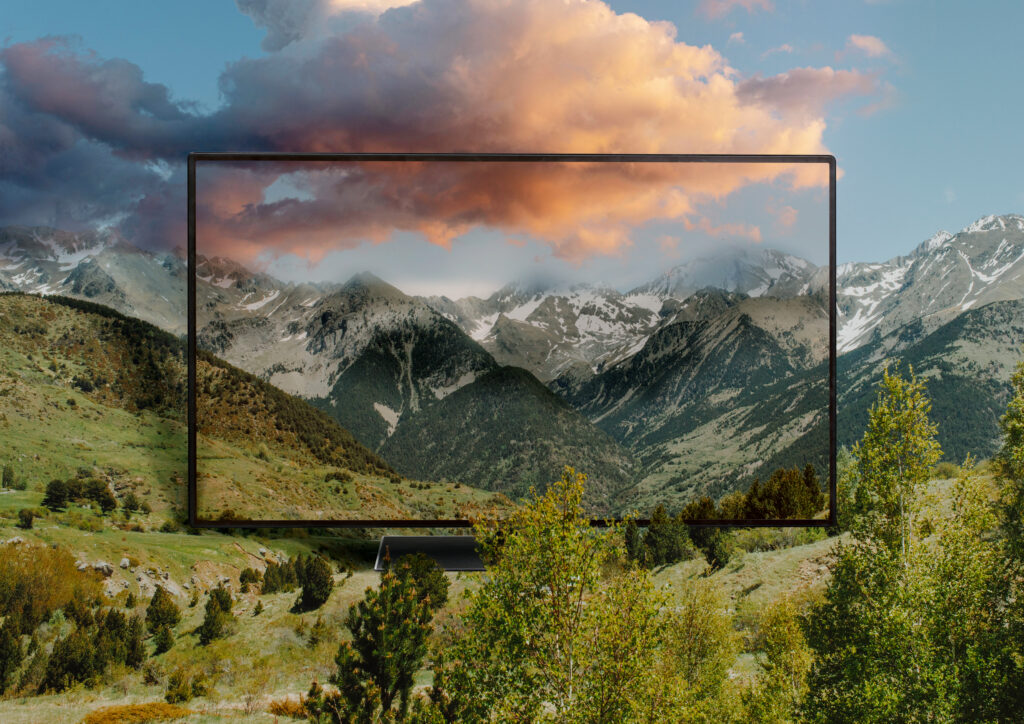
Welcome to the captivating world of 4K video walls, where visual brilliance meets cutting-edge technology. In today’s digital era, where high-definition content reigns supreme, the significance of 4K video walls cannot be overstated. Harnessing the power of 4K resolution, these immersive video wall displays offer an unparalleled level of visual clarity, taking viewer experiences to new heights.
As the demand for captivating and seamless visual configurations skyrockets, video wall technology has emerged as the ultimate solution. These large-scale, crystal-clear video walls create stunning canvases that captivate audiences and convey messages with utmost precision. Whether it’s a retail environment, control room, or event venue, video walls have revolutionized industry applications by providing dynamic, customizable, and high-quality display solutions.
The key to the success of video walls lies in their affordability, reliability, and customization options. Advanced video wall solutions seamlessly integrate with control software and offer processor compatibility, simplifying the installation process and ensuring system integration. Additionally, content management and maintenance requirements are made effortless, optimizing user experience while providing scalability for future expansion.
To achieve an impactful video wall, selecting the right components is crucial. From affordable solutions tailored for businesses to easy-to-use software, reliable installation services, and customizable configurations, there’s a wide range of options available. Designing a video wall that maximizes its impact requires attention to detail and an understanding of top video wall technology trends. Choosing the right video wall processor and leveraging effective content creation techniques enhance the overall experience and collaboration possibilities.
From retail to control rooms and innovative event applications, video walls offer undeniable benefits. They provide an immersive experience, empower collaboration, and create a lasting impression on viewers. Furthermore, businesses can leverage video walls for improved control, enhanced customer engagement, and dynamic information display.
Affordable 4K Video Wall Solutions
Advancements in technology have made 4K displays more accessible than ever before, opening up a world of possibilities for businesses seeking to create visually stunning and immersive environments. In this section, we will explore the availability of cost-effective options for implementing a 4K video wall, highlighting budget-friendly solutions that do not compromise on quality.
The Rise of 4K Resolution: With 4K resolution becoming the new standard for high-definition content, video wall technology has followed suit, offering crystal-clear visuals and enhanced visual clarity. By leveraging the power of 4K displays, businesses can create immersive and captivating experiences that leave a lasting impression on their audience.
Seamless Configuration and Control: Thanks to advancements in video wall technology, the installation process and system integration have become much more streamlined. Today, affordable video wall solutions offer seamless configuration, allowing businesses to design and set up large-scale video walls with ease. Control software and processors are now more compatible than ever, enabling intuitive control and management of video wall content.
Budget-Friendly Solutions without Compromising Quality: When it comes to affordable 4K video wall solutions, businesses can find options that suit their budget without sacrificing quality. Let’s explore a few examples:
a. Reliable Video Wall Installation Service: Partnering with a reliable video wall installation service ensures a high-quality system setup that meets your specific requirements. These services offer expertise in video wall design, installation, and calibration techniques, ensuring optimal performance and longevity.
b. Customisable Video Wall Configurations: Some manufacturers offer budget-friendly video wall displays that allow for customizable configurations. This flexibility allows businesses to choose the number of displays, display sizes, and arrangement patterns that best suit their needs and budget.
c. Easy-to-Use Video Wall Software: Affordable video wall software solutions provide user-friendly interfaces that simplify content management and control. With intuitive features, businesses can easily create and schedule captivating content to maximize the impact of their video wall displays.
Industry Applications and User Experience: Affordable 4K video wall solutions find their applications across various industries. For example, retail businesses can benefit from the advantages of video walls in enhancing the shopping experience, showcasing product promotions, and creating visually engaging displays. Control rooms can leverage video walls to improve situational awareness, making them invaluable tools for security and operations management.
Scalability and Maintenance: Cost-effective video wall solutions offer scalability, allowing businesses to expand their displays as their needs grow. Additionally, maintenance requirements have become more manageable with advancements in technology. Video wall components are designed for easy servicing, and manufacturers provide maintenance tips to ensure long-lasting performance.
Best Video Wall Display for Business
In today’s digital era, video wall displays have become increasingly popular for businesses seeking to enhance their visual impact and engage their audience. A well-designed video wall can captivate viewers, deliver powerful messages, and create immersive experiences. However, selecting the ideal video wall display for a business environment requires careful consideration of several criteria. This section explores the key factors to help you make an informed decision when choosing a video wall display.
Display Quality and Visual Clarity
One of the primary considerations when selecting a video wall display is the quality of the visuals it delivers. High-definition content displayed on a 4K resolution video wall offers exceptional image clarity and detail, ensuring that your message is conveyed with precision and impact. The 4K resolution provides four times the pixels of standard high-definition displays, resulting in a stunning and immersive viewing experience for your audience. The crystal-clear video wall imagery allows for intricate designs, vibrant colours, and sharp text, enhancing the overall visual impact of your content.
Scalability for Future Growth
Businesses often require the flexibility to expand their video wall setups as their needs evolve. Scalability is an essential factor to consider when choosing a video wall display. A video wall solution that offers seamless configuration and supports multiple displays can accommodate future expansions and adapt to changing requirements without compromising visual quality. It allows you to start with a smaller installation and easily scale up as your business grows, ensuring your investment remains relevant in the long run.
System Integration and Compatibility
To ensure smooth operation and efficient content management, it is crucial to consider the video wall’s compatibility with various components and systems. A video wall display that integrates seamlessly with control software, processors, and other technologies streamlines the installation process and enhances the overall user experience. Compatibility with industry-standard processors and controllers enables easy integration into existing infrastructure and simplifies content distribution and management.
Easy Installation and Maintenance
Efficient installation and maintenance processes are key considerations for any video wall display. Look for a system that offers straightforward installation procedures and comprehensive support services to minimize disruptions to your business operations. Additionally, consider the maintenance requirements of the video wall, such as display calibration, firmware updates, and ongoing technical support. Choosing a video wall display with low maintenance requirements can help reduce downtime and ensure continuous operation.
Industry Applications and Benefits
Video walls find applications across various industries, including retail, control rooms, events, and more. Understanding the specific benefits and applications within your industry can help you select a video wall display that meets your unique requirements. For example, in retail environments, video walls can be used to create visually engaging displays, attract customers’ attention, and showcase products effectively. In control rooms, video walls facilitate real-time data monitoring and decision-making. Consider the specific needs of your industry when choosing a video wall display.
Easy-to-Use Video Wall Software
Video walls have emerged as a powerful visual communication tool, captivating audiences and delivering immersive experiences. A key aspect of harnessing the full potential of video wall technology lies in the intuitive and user-friendly control software that accompanies it. In this section, we will explore the importance of such software, highlight the features and functionalities that simplify content management and system integration, and provide examples of video wall software solutions that offer ease of use.
Importance of Intuitive and User-Friendly Control Software for Video Walls
When it comes to video walls, the user experience is paramount. Intuitive and user-friendly control software plays a vital role in ensuring a seamless and efficient operation of video wall displays. Here’s why it’s so important:
Ease of Use: User-friendly control software empowers users to effortlessly manage and control video wall displays, regardless of their technical expertise. It eliminates the need for complex programming or extensive training, making it accessible to a wide range of users.
Content Management: Intuitive control software simplifies the process of content creation, scheduling, and deployment across the video wall. It allows users to easily arrange and manage various multimedia elements, such as images, videos, and live feeds, ensuring a dynamic and engaging visual experience.
System Integration: Video walls often require integration with other components, such as processors, controllers, and external sources. User-friendly control software facilitates seamless integration, enabling users to effortlessly connect different devices and sources, and control them through a unified interface.
Scalability: As video walls expand in size and complexity, the control software should scale accordingly. Intuitive software solutions allow for easy expansion, enabling users to add more display units or incorporate advanced features without compromising on ease of use.
Features and Functionalities That Simplify Content Management and System Integration
To simplify the management of video walls and streamline system integration, video wall software solutions offer a range of features and functionalities. Let’s explore some key ones:
Drag-and-Drop Interface: A user-friendly interface with drag-and-drop functionality makes it effortless to arrange and organize content elements on the video wall canvas. Users can easily resize, position, and layer different media components, ensuring a visually stunning and engaging display.
Content Scheduling: The ability to schedule content playback is crucial for dynamic video wall deployments. Users can predefine playlists, set specific timeframes for content playback, and seamlessly switch between different content layouts, offering a tailored experience for various events or scenarios.
Real-time Monitoring: Monitoring the status and performance of video wall displays is essential for proactive maintenance and troubleshooting. Software solutions that provide real-time monitoring capabilities allow users to quickly identify and address any issues, minimizing downtime and ensuring optimal performance.
Remote Control and Access: With remote control functionality, users can manage and control video walls from anywhere, eliminating the need for physical access to the display location. This feature proves particularly useful for large-scale deployments spread across multiple locations.
Examples of Easy-to-Use Video Wall Software Solutions
Numerous video wall software solutions prioritize ease of use and provide intuitive interfaces for seamless content management and system integration. Here are a few notable examples:
Video Wall Controller: This software offers a user-friendly interface with drag-and-drop functionality, allowing users to easily create and manage video wall layouts. It supports various video wall configurations and offers real-time monitoring and control features.
DisplayWall: With a focus on simplicity, DisplayWall provides a straightforward interface for content management and scheduling. It offers advanced features like content synchronization across multiple video walls and remote access for easy control.
WallControl 10: Known for its intuitive user interface, WallControl 10 simplifies the creation and management of video wall layouts. It supports 4K resolution and seamless integration with leading video wall processors, ensuring high-quality visuals.
Reliable Video Wall Installation Service
When it comes to setting up a video wall, professional installation plays a crucial role in ensuring a seamless and visually stunning display. The installation process involves various intricate steps, including mounting, wiring, and calibration, which require the expertise of experienced technicians. This section will highlight the benefits of relying on professional installers, discuss the installation process in detail, and emphasize the importance of their role in achieving a high-quality video wall setup.
Installation Process: Mounting, Wiring, and Calibration
Mounting: One of the first steps in video wall installation is the proper mounting of display panels. Whether it’s a large-scale video wall for a control room or an immersive video wall for a retail environment, professional installers have the expertise to securely mount the panels, ensuring they are aligned correctly to create a seamless display. They consider factors such as the weight, dimensions, and structural integrity of the installation surface to ensure a safe and sturdy mounting.
Wiring: The wiring process is another critical aspect of video wall installation. Professional technicians carefully handle the complex wiring connections required to integrate the video wall system. They ensure the proper routing of cables, minimizing visible wires and optimizing the overall aesthetics of the installation. This meticulous wiring not only enhances the visual appeal but also ensures the reliability and performance of the video wall.
Calibration: Achieving optimal display quality and visual clarity is essential for a video wall. Through precise calibration techniques, professional installers fine-tune each display panel to deliver consistent brightness, colour accuracy, and contrast levels across the entire video wall. This attention to detail ensures a crystal-clear viewing experience, captivating the audience and maximizing the impact of high-definition content.
Benefits of Relying on Experienced Technicians for Seamless Integration
Seamless Configuration: Professional installers have in-depth knowledge of video wall technology and its intricacies. They understand the various components involved, such as video wall controllers, processors, and software, ensuring seamless configuration and integration of these elements. Their expertise enables them to optimize the video wall system for the specific requirements of each installation, resulting in a cohesive and functional setup.
System Integration: A video wall setup often involves integrating the display with other technologies and systems, such as content management solutions, control software, and processors. Experienced technicians possess the necessary skills to seamlessly integrate these components, ensuring compatibility, reliability, and efficient operation. This integration allows for easy content management, smooth control of the video wall, and optimal performance.
Maintenance Requirements: A professionally installed video wall reduces the likelihood of maintenance issues. Installers take necessary precautions to prevent common problems and provide guidelines for routine maintenance. By adhering to these guidelines, users can extend the lifespan of their video wall and minimize downtime. Additionally, professional installers often offer maintenance services, providing peace of mind and prompt assistance whenever required.
Industry Applications and User Experience
Video walls find applications in various industries, including retail, control rooms, events, and more. In retail environments, video walls offer advantages such as engaging visual displays, increased brand visibility, and enhanced customer experiences. In control rooms, video walls provide real-time data visualization, aiding decision-making processes. At events, video walls create immersive and captivating experiences, leaving a lasting impression on attendees.
The user experience is at the forefront of a professional video wall installation. With seamless integration, high-quality display, and reliable performance, users can fully leverage the benefits of a video wall setup. The stunning visual impact, combined with the ability to showcase 4K resolution and high-definition content, creates an immersive and engaging environment, whether it’s for business presentations, entertainment, or informational displays.
High-Quality Video Wall System Setup
A high-quality video wall system setup requires careful consideration of various factors to ensure optimal performance and a captivating visual experience. From display alignment to colour calibration and bezel management, every aspect plays a crucial role in delivering seamless, immersive, and crystal-clear content. This section explores the key considerations involved in achieving a top-notch video wall setup, highlighting techniques for minimizing visual disruptions and optimizing the viewing experience.
Proper Display Alignment: Enhancing Visual Clarity and Seamless Configuration
When setting up a video wall, proper display alignment is essential for achieving visual clarity and a seamless configuration. Precise alignment ensures that each display seamlessly integrates with adjacent panels, creating a cohesive, uninterrupted viewing experience. To accomplish this, advanced video wall solutions provide fine-tuning controls for pixel-by-pixel adjustments, enabling accurate alignment and eliminating any distracting gaps or misalignments.
Colour Calibration: Ensuring Accurate and Consistent colours
Colour calibration is a critical step in achieving an impeccable video wall setup. It ensures that colours are accurate and consistent across all displays, enhancing the overall visual appeal. By calibrating each display to a standard colour profile, such as Rec. 709 or DCI-P3, video walls can accurately reproduce vibrant hues and realistic imagery. Additionally, the use of colour management software allows for ongoing calibration to maintain colour accuracy over time, compensating for any drift or degradation.
Bezel Management: Minimizing Visual Disruptions
Bezels, the narrow borders between individual displays, can potentially disrupt the viewing experience if not managed effectively. To minimize visual disruptions, video wall designs should consider displays with ultra-thin bezels. These bezel-less or narrow-bezel displays reduce the gap between content, creating a more cohesive and immersive video wall. By strategically positioning content and leveraging advanced bezel compensation techniques, the visual impact of bezels can be further mitigated, ensuring an uninterrupted and stunning video wall display.
Optimising the Viewing Experience: Techniques for Maximum Impact
To optimize the viewing experience, several techniques can be employed to maximize the impact of a high-quality video wall system setup:
High-Definition Content: Delivering content in 4K resolution or higher ensures stunning visuals with exceptional detail and clarity. Video wall technology benefits greatly from high-definition content, enhancing the immersive experience for viewers.
Control Software and Processor Compatibility: Seamless control software integration with video wall processors enables efficient management of content distribution and display configurations. Compatibility between control software and processors ensures smooth operation and ease of use, facilitating quick adjustments and content updates.
Installation Process and System Integration: Expert installation services ensure proper setup, alignment, and integration of video wall components. Seamless system integration includes hardware, software, and control systems, enabling efficient functionality and synchronized operation.
Content Management and Maintenance Requirements: Effective content management solutions simplify the process of scheduling, organizing, and updating content on a video wall. Additionally, considering maintenance requirements, such as remote monitoring capabilities and predictive maintenance tools, helps ensure continuous operation and minimize downtime.
Industry Applications and User Experience
The versatility of video wall technology extends to various industries, including retail, control rooms, events, and more. In retail environments, video walls enhance product displays and captivate customers, while control rooms benefit from the real-time monitoring capabilities and data visualization provided by large-scale video walls. A user-centric approach to video wall design and setup ensures an intuitive user interface, interactive features, and seamless control, optimizing the overall user experience.
Scalability and Future-Proofing
When designing a video wall system setup, scalability should be considered to accommodate future expansions or upgrades. Ensuring compatibility with emerging video wall technologies and considering modular configurations allows for easy scalability without requiring a complete overhaul of the existing setup. This future-proofing approach saves time and resources while allowing organizations to adapt to evolving requirements and technological advancements.
Conclusion
In conclusion, the key points discussed throughout this section emphasize the advantages of using a 4K video wall. A 4K resolution video wall offers enhanced collaboration and maximized visual impact, thanks to its superior display quality and visual clarity. With high-definition content and seamless configuration, the immersive and crystal-clear video wall experience captivates viewers in various industries.
To explore the innovative applications of video wall displays further, consider the industry-specific benefits and customizable configurations available. Whether you’re seeking affordable 4K video wall solutions or the best video wall display for business, there are advanced video wall technologies and easy-to-use software options to meet your needs. From retail to control rooms, video walls offer unique advantages, maximizing impact and enhancing collaboration.
Remember to consider important factors like video wall installation, system integration, content management, and maintenance requirements. Choosing the right video wall processor, designing a compelling video wall, and understanding the scalability of your setup is crucial. Stay up to date with top video wall technology trends and effectively create high-quality video wall content to engage your audience.
FAQs
What is a 4K video wall?
A 4K video wall is a large display system composed of multiple high-resolution screens arranged in a grid-like configuration. Each screen in the video wall is capable of displaying content in 4K resolution, which refers to a horizontal pixel count of approximately 4,000 pixels. By combining multiple screens seamlessly, a 4K video wall creates an expansive and visually immersive display surface.
How does a video wall display work?
A video wall display consists of individual display units, typically LCD or LED panels, arranged in a grid-like pattern. These panels are connected to a video wall processor, which processes and distributes the video content to each panel. The video wall processor takes a single input signal and splits it into multiple segments, sending each segment to the respective panels to create a cohesive image across the entire video wall. Sophisticated software and hardware synchronization ensure seamless alignment and synchronization of content across the panels.
What are the benefits of a 4K video wall?
A 4K video wall offers several advantages. Firstly, the high-resolution screens provide exceptional image quality and detail, resulting in stunning visuals. The increased pixel density allows for sharper text and images, making it ideal for presentations, advertising, and multimedia displays. Additionally, a 4K video wall offers a larger display area and more screen real estate, enabling better content visibility and engagement. The immersive nature of a video wall captivates viewers and enhances their overall experience. Furthermore, video walls can be flexible, allowing for content customization and real-time updates. The combination of these benefits makes 4K video walls suitable for a wide range of applications, including control rooms, retail environments, event venues, and digital signage.
How much does a video wall cost?
The cost of a video wall can vary significantly depending on several factors, such as the size, resolution, technology (LCD or LED), installation requirements, and additional features. A basic video wall setup can range from a few thousand dollars to tens of thousands of dollars. Larger and higher-resolution video walls with advanced features can cost even more. It’s important to consider not only the initial hardware and installation costs but also ongoing maintenance, content management systems, and any required accessories or software licenses. Consulting with professional AV integrators or vendors is recommended to get accurate cost estimates tailored to specific requirements.
Can I install a video wall myself?
While it is technically possible to install a video wall yourself, it is a complex task that requires expertise in AV technology, cabling, mounting, and calibration. Proper installation involves precise alignment, cable management, and configuring the video wall processor for optimal performance. A professional AV integrator or installer with experience in video wall installations is recommended to ensure the best results. They can provide guidance on equipment selection, perform the installation, and handle any necessary adjustments or troubleshooting. Professional installation not only ensures the video wall functions correctly but also minimizes the risk of damaging the equipment during the installation process.
What content can I display on a video wall?
A video wall can display a wide range of content depending on its purpose and the software used. Common types of content include live video feeds, presentations, images, videos, real-time data visualizations, social media feeds, advertising, and interactive applications. Video walls are highly versatile and can accommodate various sources of content, including computers, media players, streaming devices, and video conferencing systems. The content can be customized and arranged to fit the video wall’s layout, allowing for creative and impactful displays. Some video wall systems also support multitasking, enabling simultaneous display of multiple content sources or zones on the video wall, maximizing its utility and engagement potential.
Are video walls suitable for outdoor use?
Video walls designed explicitly for outdoor use are available. These outdoor video walls feature specialized weatherproof and ruggedized enclosures, high-brightness panels for visibility in sunlight, and enhanced protection against environmental factors such as moisture, dust, and temperature fluctuations. Outdoor video walls are commonly used in stadiums, outdoor advertising, transportation hubs, and other outdoor venues where visual impact and durability are crucial. However, it’s important to note that outdoor video walls typically require professional installation due to the complexity of weatherproofing and ensuring optimal performance in challenging outdoor conditions.
How do I control a video wall?
Video walls can be controlled through a variety of methods, depending on the specific video wall system and the software used. Typically, video walls are controlled using a dedicated software application that allows users to manage and manipulate content on the display. This software may provide features like content scheduling, source selection, screen layout customization, and remote control capabilities. In some cases, video wall control can be integrated with other control systems such as AV control panels or automation systems, enabling centralized management of multiple displays and sources. Additionally, some video wall systems offer mobile apps or web-based interfaces for remote control and management, providing flexibility and convenience.
What is the lifespan of a video wall?
The lifespan of a video wall depends on several factors, including the quality of the components, usage patterns, environmental conditions, and maintenance practices. Generally, professional-grade video wall displays have an estimated lifespan of around 50,000 to 100,000 hours of continuous operation. This lifespan translates to approximately 5 to 10 years of typical use. However, it’s important to note that individual panels within the video wall may fail or require replacement over time, especially if there is heavy usage or inadequate maintenance. Regular cleaning, proper ventilation, and adherence to the manufacturer’s guidelines for usage and maintenance can help maximize the lifespan of a video wall.
Can I customize the size of a video wall?
Yes, video walls can be customized to different sizes based on specific requirements and available space. The size of a video wall is determined by the number of individual display panels used and their physical dimensions. Video wall configurations can range from small arrangements of a few panels to expansive installations with dozens or even hundreds of panels. The aspect ratio and orientation of the video wall can also be adjusted to fit the desired layout. When customizing the size of a video wall, it’s important to consider factors such as viewing distance, content resolution, and the available budget to ensure optimal display performance and user experience.
Are video walls energy-efficient?
The energy efficiency of video walls can vary depending on the display technology used (LCD or LED), screen brightness settings, and overall system design. LED video walls generally offer better energy efficiency compared to LCD video walls due to the nature of LED technology, which allows for precise control of brightness levels and localized dimming. LED panels consume less power when displaying darker or black content compared to LCD panels, which use a constant backlight. Additionally, video wall processors and control systems often have power management features to optimize energy consumption during idle or low-demand periods. When deploying a video wall, it’s advisable to consult with manufacturers or integrators to select energy-efficient components and implement power-saving settings for improved energy efficiency.
Can I rent a video wall for events?
Yes, renting a video wall for events is a common practice. Many AV rental companies offer video wall solutions for short-term use at conferences, trade shows, concerts, and other events. Renting a video wall allows you to access the latest technology without the need for a long-term investment. The rental company can assist with the installation, configuration, and support during the event. They can also provide additional services like content creation, on-site technical staff, and logistics. When renting a video wall, it’s important to communicate your specific requirements to the rental company, such as the desired size, resolution, and any special features or content needs, to ensure they can provide an appropriate solution for your event.
How do I troubleshoot video wall issues?
When troubleshooting video wall issues, it’s important to start with basic checks. Ensure all cables are securely connected, both on the input source side and the video wall display units. Check the power supply and confirm that all devices are powered on. If the video wall is not displaying any content, verify that the correct input source is selected. If there are image quality or alignment issues, check the video wall processor settings, including resolution and aspect ratio configurations. If specific panels or sections of the video wall are not functioning properly, check for error messages on the video wall processor or individual display units. Consulting the user manual or contacting the manufacturer’s support can provide specific troubleshooting steps based on the equipment and software used.
How do I calibrate a video wall?
Calibrating a video wall involves adjusting the display settings to ensure consistent colour reproduction, brightness, and uniformity across all panels. Professional calibration is recommended for optimal results. Calibration typically involves using specialized calibration tools, software, and colour measurement devices to measure and adjust the colour accuracy, gamma, white balance, and grayscale performance of each panel. The process may also involve adjusting brightness and contrast levels to achieve uniformity across the video wall. Calibration should be performed periodically to maintain the best image quality, as environmental conditions and panel performance can change over time. Professional AV integrators or technicians experienced in video wall calibration can ensure accurate and precise calibration based on the specific display technology and software used.
What industries benefit from video walls?
Video walls find utility in various industries. Control rooms and command centres use video walls to visualize surveillance feeds, data analytics, and monitoring systems for enhanced situational awareness. Retail environments utilize video walls for digital signage and advertising to attract and engage customers. Corporate offices and conference rooms employ video walls for presentations, collaboration, and video conferencing. In the hospitality industry, video walls are used in hotels, casinos, and entertainment venues for informational displays and ambience creation. Education institutions and museums use video walls for interactive exhibits and immersive learning experiences. Additionally, video walls are prevalent in sports arenas, transportation hubs, broadcast studios, and retail environments where impactful visual displays are crucial for conveying information and creating immersive environments.